Oregon Department of Forestry trains personnel on fire detection aircraft

Oregon Department of Forestry's Partenavia P 68 Observer (N9000V)
Oregon Department of Forestry’s Partenavia P 68 Observer (N9000V). ODF photo in 2022.

The Oregon Department of Forestry’s (ODF) aviation unit held their annual multi-mission aircraft training May 16-20 in Salem, Oregon. This opportunity gave the department a chance to train personnel who will help with wildfire detection using the ODF-owned Partenavia P-68 Observer aircraft (N9000V).

The Partenavia is unusual — most of the “skin” on the aircraft in front of the pilot is transparent plexiglass, affording uncommonly good visibility. The plane has had many uses in the last 40 years, but its most recent function is as the platform for ODF’s nighttime fire detection work.  It is equipped with a Forward Looking Infrared (FLIR) camera system that is paired with an augmented reality mapping system.

During fire season, the Partenavia will fly at night to detect wildfires started by lightning. During their time in the air, the observer, or camera operator, will look for hot spots using the infrared system on the belly of the plane.

Oregon Department of Forestry's Partenavia P 68 Observer (N9000V)
Oregon Department of Forestry’s Partenavia P 68 Observer (N9000V) at Ken Jernstedt Airpot, Hood River, Oregon June 28, 2006. USFS photo.

“The accuracy of the Partenavia’ s FLIR infrared camera system allows for the observer to detect fires as small as a campfire from 12,000 feet in the air,” Jamie Knight, Aviation Operations Specialist, said.  “Once a wildfire is detected, the observer can pin the location and alert nearby fire protection agencies so that they may quickly respond to the fire.”

Aside from detecting smaller fires, the Partenavia is also used as “eyes in the sky” for larger incidents. Once over the fire, the observer can provide a high-level view of a fire and report to the firefighters on the ground about the progress and any changes in fire behavior.

During the summer months, the aircraft is centrally based in Redmond to allow access to the entire state.

Oregon Department of Forestry's Partenavia P 68 Observer (N9000V)

Oregon Department of Forestry's Partenavia P 68 Observer (N9000V)
Oregon Department of Forestry’s Partenavia P 68 Observer (N9000V) with USFS forest pathologist Mike McWilliams at Roseburg Regional Airport, Oregon. June 28, 2013. USFS photo.
Oregon Department of Forestry's Partenavia P 68 Observer (N9000V)
Oregon Department of Forestry’s Partenavia P 68 Observer (N9000V) was prepared for a night fire detection mission in 2021. ODF photo.
Lost Lake Fire burns across Colorado River into Arizona

Updated 7:58 a.m. PDT May 29, 2022

Map of the Lost Lake Fire
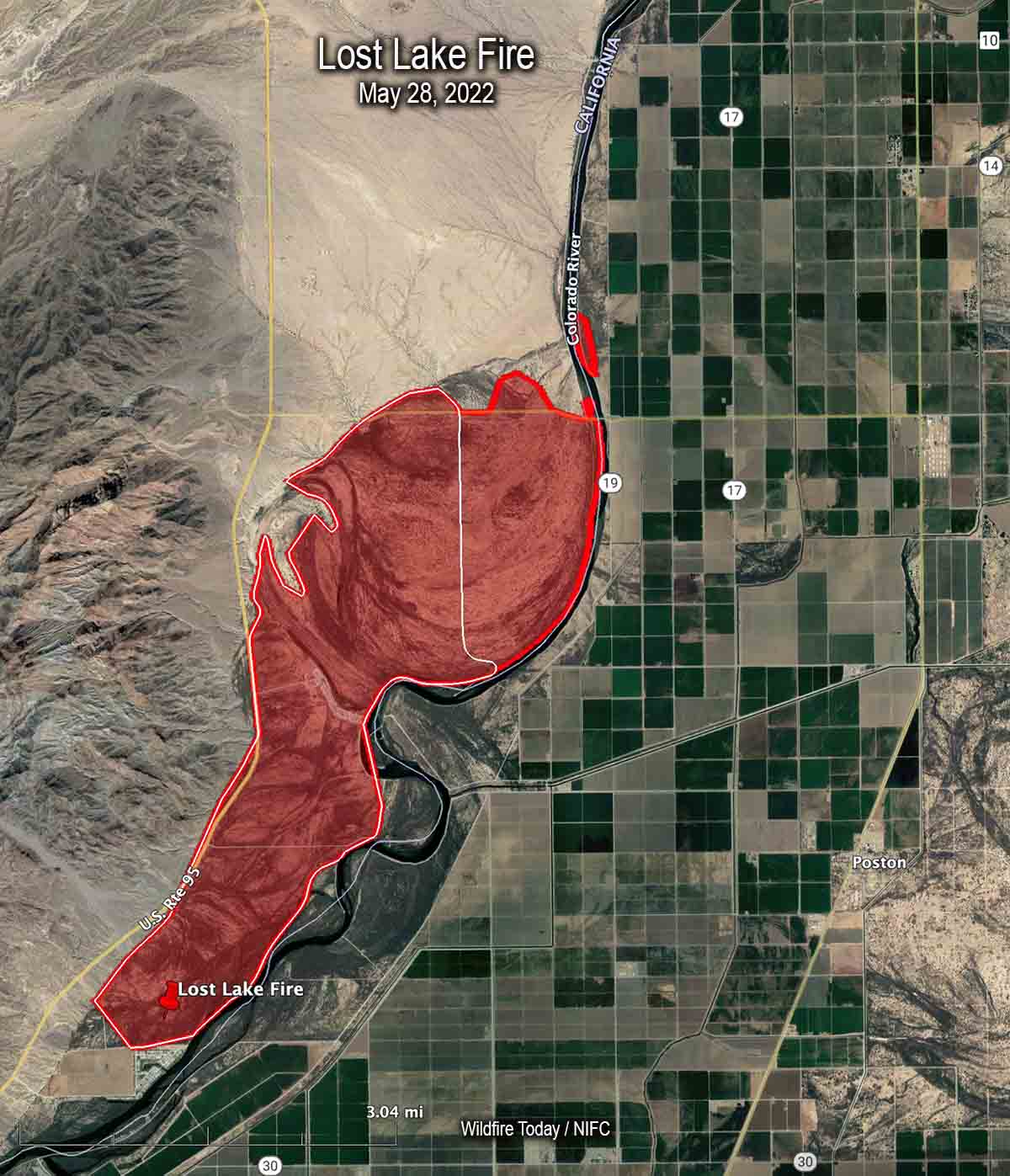
Map of the Lost Lake Fire. The red line was the perimeter late in the afternoon of May 28, 2022. The white line was the perimeter earlier in the day.

The Lost Lake Fire along the Colorado River on the California/Arizona border was mapped late in the afternoon on Saturday May 28 at about 5,300 acres. At that time about 30 acres had burned on the Arizona side, north of Agnes Wilson Road and west of 19.

Saturday evening resources assigned to the fire included two hand crews, eight fire engines, and one helicopter for a total of 150 personnel.


3:44 p.m. PDT May 28, 2022

Map Lost Lake Fire at 2:33 p.m. PDT May 27, 2022
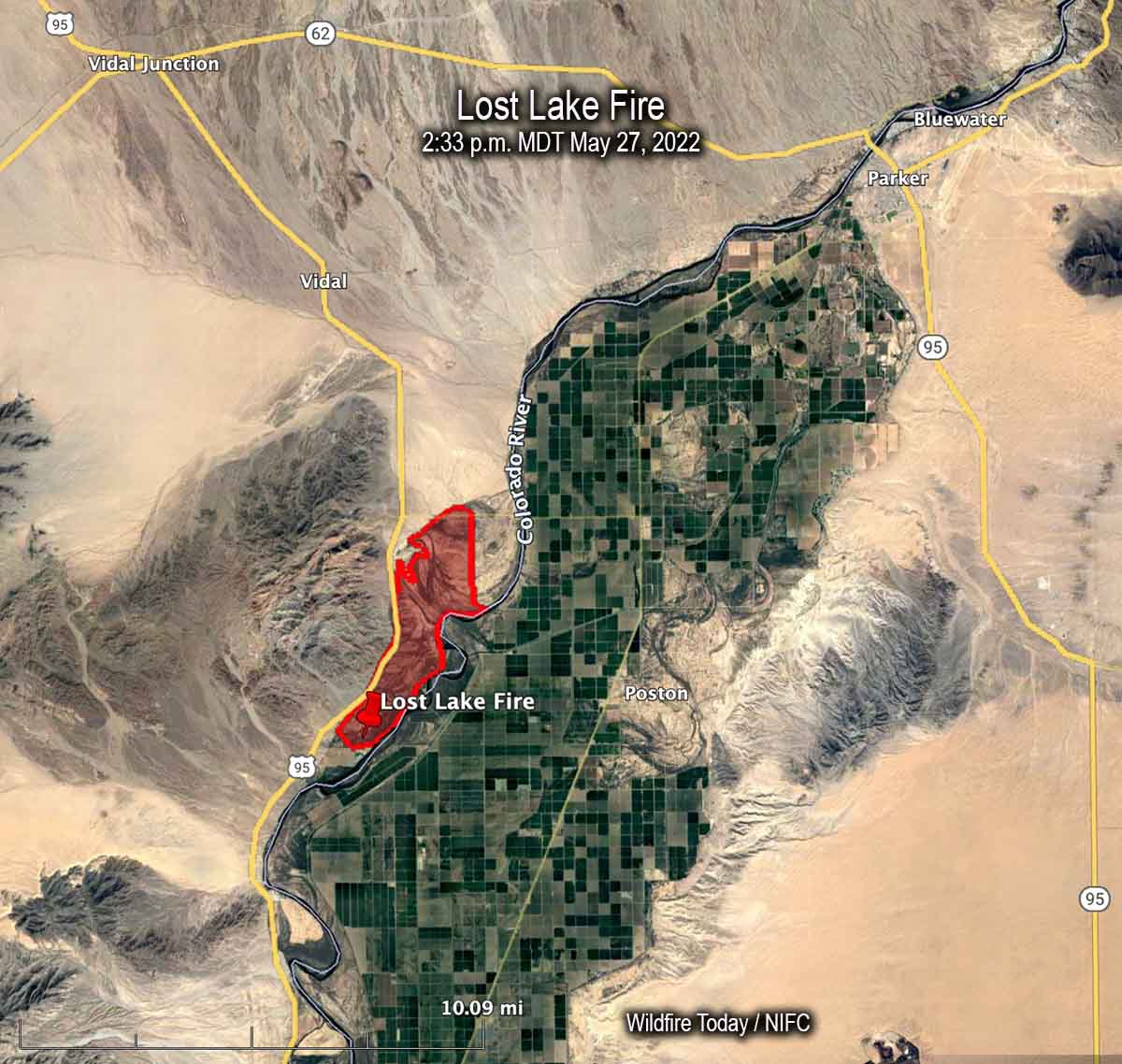
Map of the Lost Lake Fire at 2:33 p.m. PDT May 27, 2022.

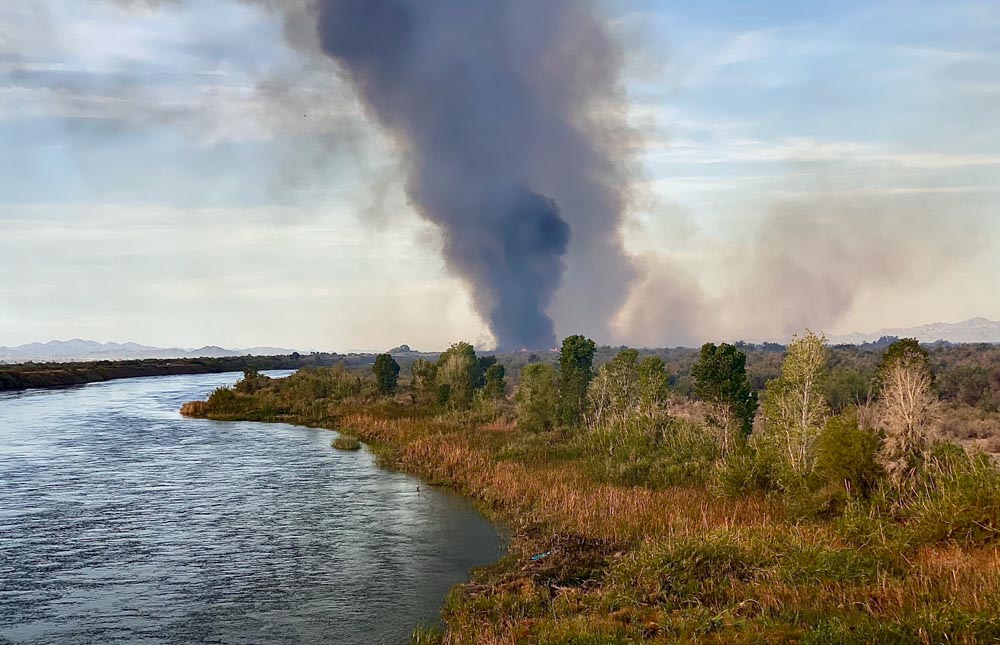
The Lost Lake Fire which had been burning in California on the west side of the Colorado River, crossed the river Saturday prompting evacuations of about a dozen homes of the Colorado River Indian Tribes near Poston, Arizona.

It started Thursday morning but strong winds Saturday afternoon caused spot fires on the Arizona side of the river, which is the boundary between the two states.

The blaze is 11 air miles southwest of Parker, AZ and until it crossed the river it was 3 miles west of Poston. Saturday morning it had burned 5,900 acres but the afternoon growth is adding to that total.

Lost Lake Fire Colorado River California Arizona
Lost Lake Fire. Photo by Incident Management Team.
Lost Lake Fire Colorado River California Arizona
Lost Lake Fire. Photo by Incident Management Team.
Lost Lake Fire Colorado River California Arizona
This appears to be a briefing at the beginning of  a shift on the Lost Lake Fire. In case any of the firefighters forget the name of the fire, they have a handy reference.

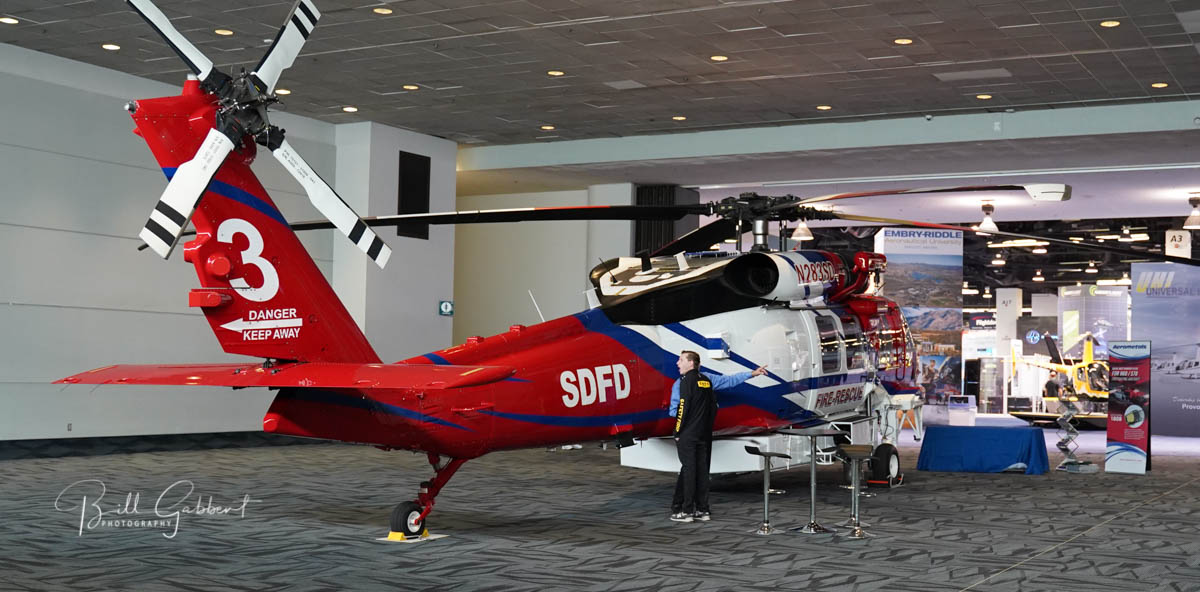
Photos of San Diego’s Firehawk, Copter 3

San Diego Fire Rescue Copter 3 (N283SD)
San Diego Fire Rescue Copter 3 (N283SD) working a small fire near Scripps Ranch, April 7, 2022. Ryan Grothe.

Ryan Grothe sent us these photos he took of San Diego Fire Rescue Copter 3 working a small fire in the Scripps Ranch area April 7, 2022.

San Diego Fire Rescue Copter 3 (N283SD)
San Diego Fire Rescue Copter 3 (N283SD) working a small fire near Scripps Ranch, April 7, 2022. Ryan Grothe.
San Diego Fire Rescue Copter 3 (N283SD)
San Diego Fire Rescue Copter 3 (N283SD) working a small fire near Scripps Ranch, April 7, 2022. Ryan Grothe.

Below, I grabbed a photo of the helicopter at HAI in Anaheim, CA, January, 2020.

HAI HELI-EXPO 2020 Anaheim helicopter Firehawk
San Diego Fire Rescue’s new Firehawk at HAI 2020, January, 2020. Photo by Bill Gabbert.

The Staging Area, May 28, 2022

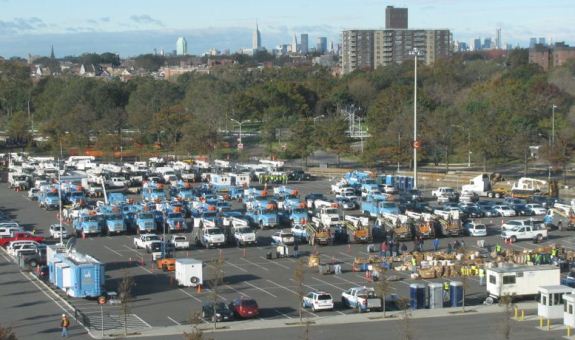
Logistical Staging Area in New York
Logistical Staging Area in New York during the response to Hurricane Sandy, November, 2012. Photo by Bill Hahnenberg’s National Incident Management Organization (NIMO) team.

This weekend we are continuing something we started a few weeks ago. Borrowing an idea from The War Zone, this post can serve as the beginning of an open thread where our readers can talk about issues that we have, or have not, gotten into yet. This is literally an off-topic thread.

The usual rules about commenting apply. And remember, no personal attacks, please.

So let’s enjoy a wide-ranging debate!

(Oh, and send us pics  of staging areas. Date, location, and photographer’s name would be nice.)

Air tanker migration to Alaska

Fire Boss air tankers at Whitehorse, Yukon
Fire Boss air tankers at Whitehorse, Yukon, enroute to Fairbanks, Alaska. Photo by Doug.

Doug sent us this photo of what he described as the “Alaskan tanker migration”, Fireboss air tankers enroute to Alaska for the fire season.

Grassroots Wildland Firefighters earns Lead by Example award

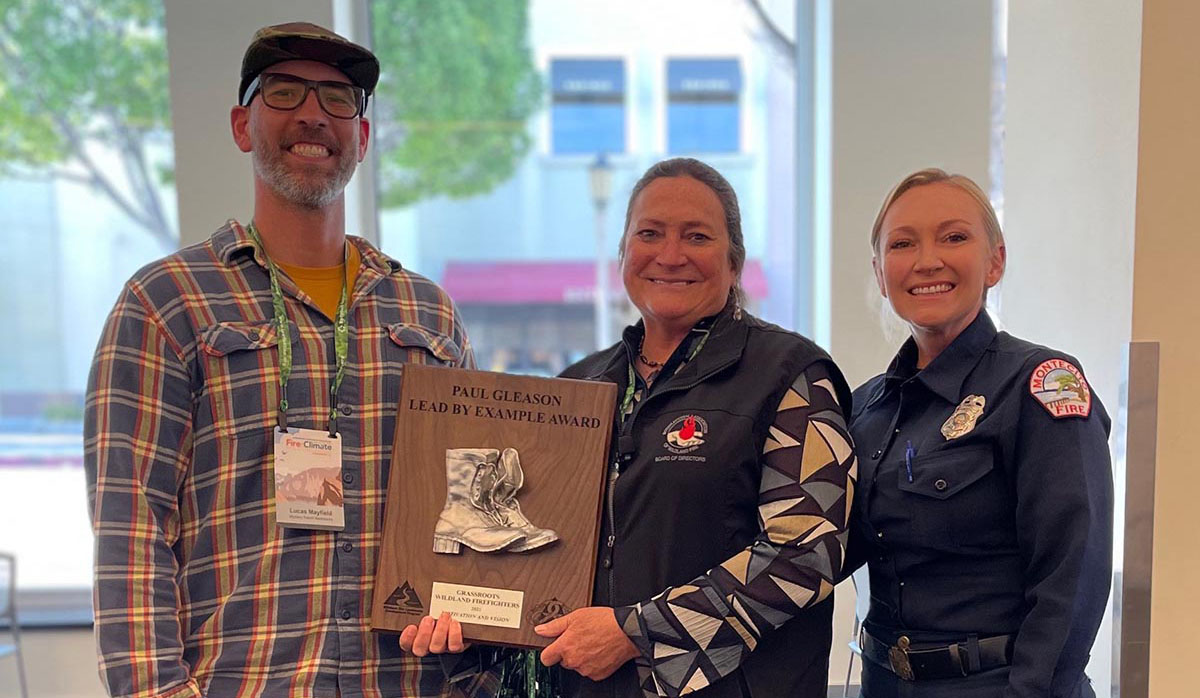
Paul Gleason Lead by Example award, Grassroots
Paul Gleason Lead by Example award for Grassroots Wildland Firefighters. May, 2022. L to R: Lucas Mayfield, VP; Kelly Martin, President; Maeve Juarez, NWCG Leadership Committee.

(From Wildfire Leadership)

Congratulations to Grassroots Wildland Firefighters (GWF) for being selected as one of the recipients for the 2021 Paul Gleason Lead by Example award. Three individuals and one group from across the wildland fire service have been chosen to receive this national award.

The award was created by the NWCG Leadership Committee to remember Paul Gleason’s contributions to the wildland fire service. During a career spanning five decades, Paul was a dedicated student of fire, a teacher of fire, and a leader of firefighters. The intent of this award is to recognize individuals or groups who exhibit this same spirit and who exemplify the wildland fire leadership values and principles. GWF’s work in support of the Wildland Fire Leadership Development Program has been a demonstration of motivation and vision.

The GWF organization is recognized for tirelessly advocating and lobbying legislators and members of the executive branch to create a better system of support for our valued federal firefighting resources. Their advocacy efforts have given a voice and face to the wildland firefighter, highlighting the challenges we face. Through it all, they have remained professional, never seeking credit, relaying simple facts, and respecting federal agencies during briefings and through press releases.

GWF is commended for successful efforts to establish a federal fire series, implement pay improvements, and bring about OWCP reform. These efforts are a welcome relief to a weary federal wildland fire service. Their vision through the Tim Hart Act, if enacted, would dramatically impact the wildland fire service in terms of pay, recruitment/retention, and the health and mental well-being of the federal wildland firefighter.

GWF has provided an example for others to follow.