


By Amber Lynn Scott and Ikeola Bodunde
No personal protective equipment.
No water.
No fire trucks.
Rocks thrown at you while fighting fires.
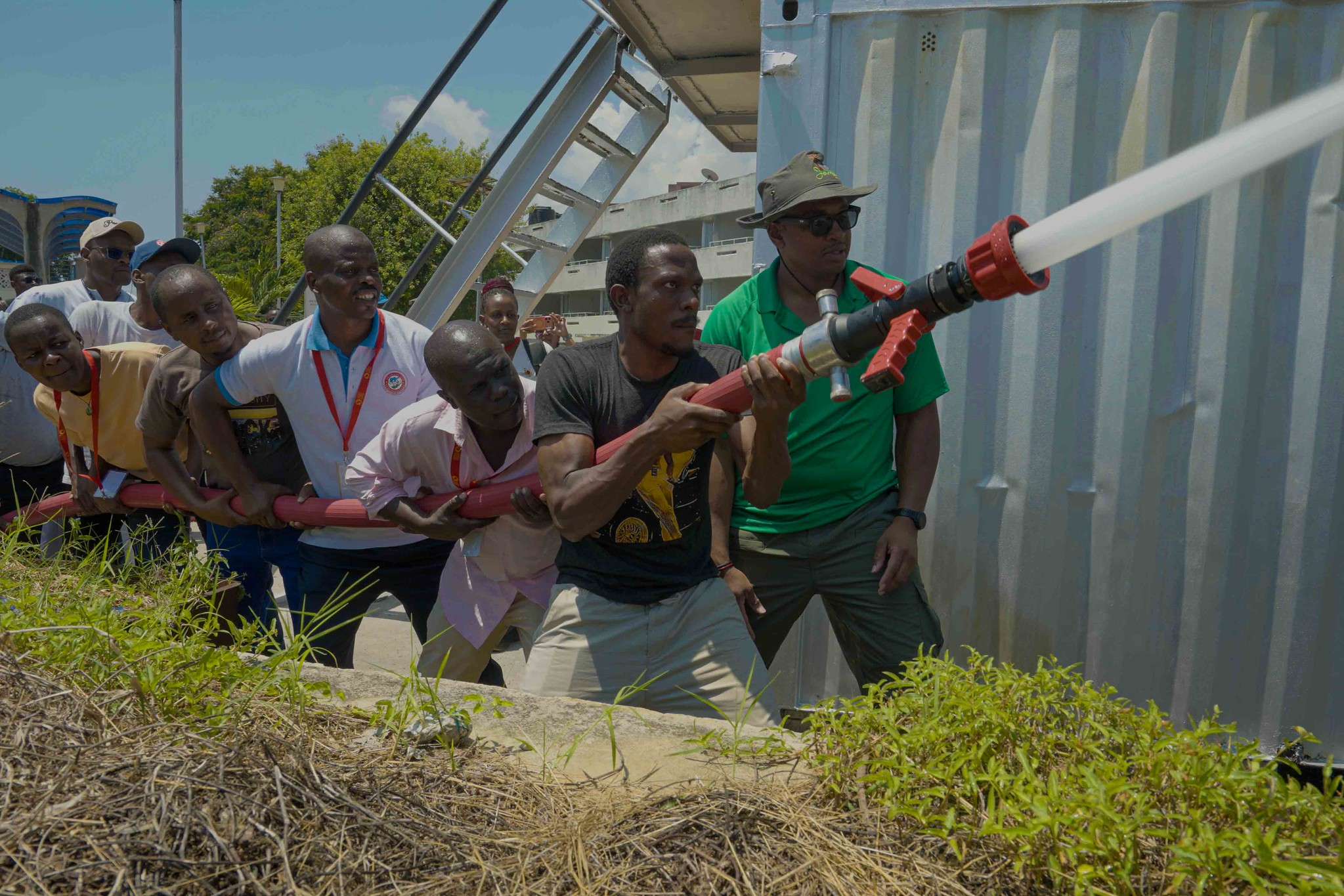
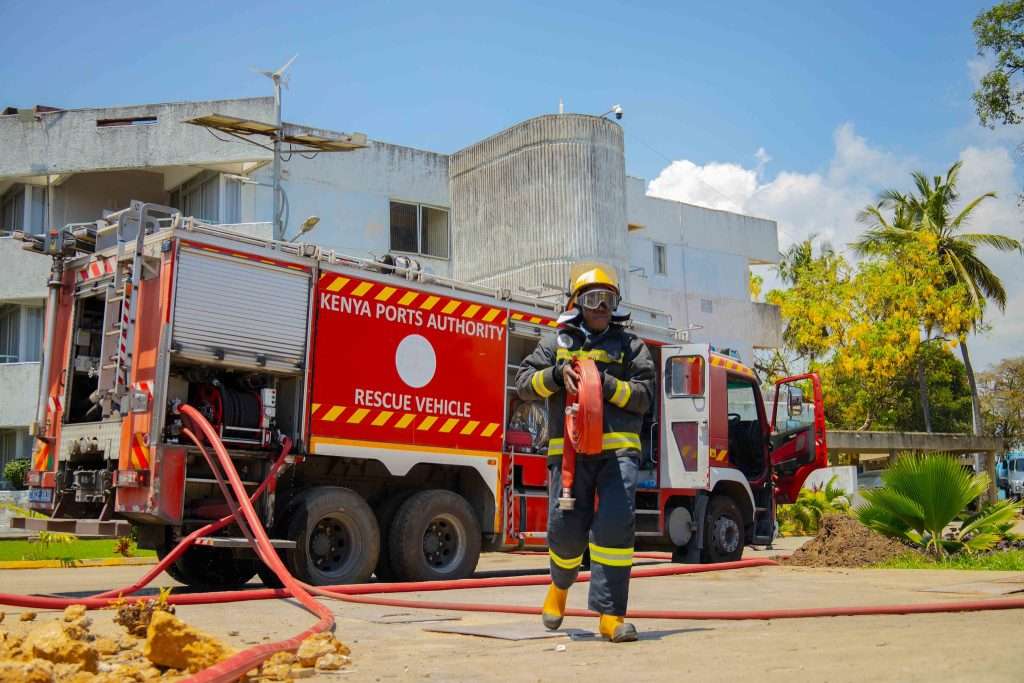
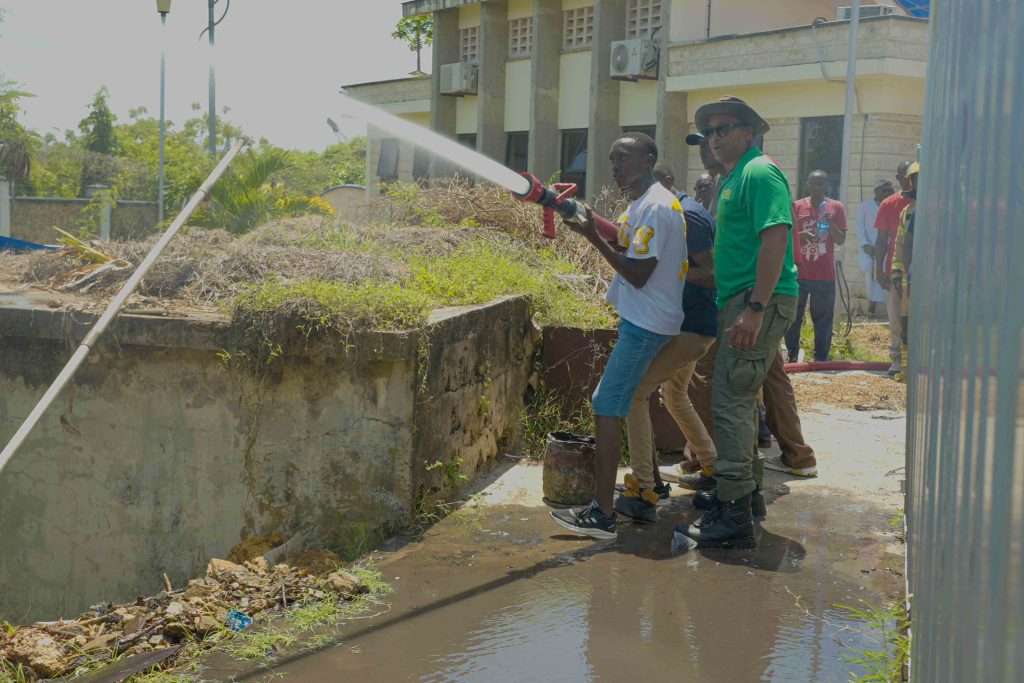
All these scenarios and more have been reported by Kenyan firefighters as routine occurrences when addressing fires. But for more than a decade, an organization called Africa Fire Mission has been working in collaboration with multiple stakeholders in Kenya to change this reality and make fighting fire safer all across Africa.
In 2025, as two University of Kentucky College of Communication and Information researchers we connected with Africa Fire Mission on a research study. We wanted to understand how high reliability organizations (HROs), which are organizations with human life and well-being on the line, operate safely and reliably even in under-resourced or fiscally challenging environments.

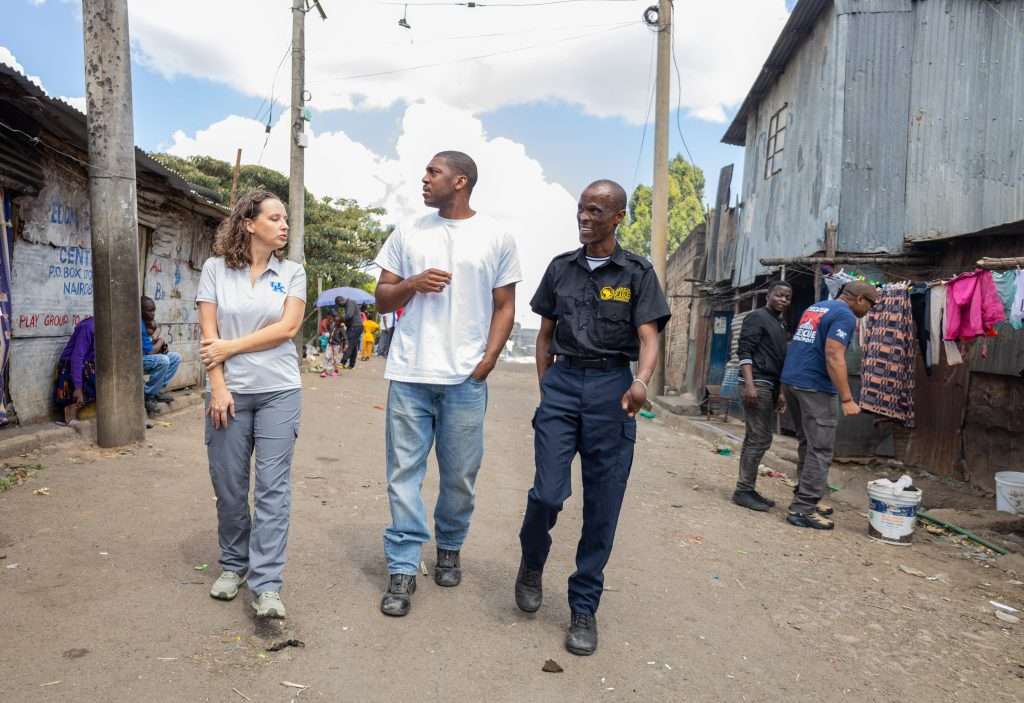
In Kenya, despite a multitude of organizational, personal, and community challenges, Africa Fire Mission has led successful efforts to train firefighters in fire safety practices despite these identified limitations.
The initial findings of this research partnership were presented at the 2026 Wildland Fire Canada Conference and Canadian Smoke Forum in Saskatoon, Saskatchewan, last week. The study identifies five specific values cultivated through Africa Fire Mission training programs that promote safety practices in the fire service. These identified values include (a) knowledge sharing, (b) collaborative leadership, (c) enthusiastic learning, (d) shared purpose, and (e) community impact.
Although these values identified are largely familiar to most individuals working in the U.S. fire and emergency services, these findings are notable when contrasted with Kenyan knowledge distribution culture described by participants. Participants in the study indicated that in the past, knowledge has been perceived and treated as a tangible asset in many of their Kenyan communities, including the fire and emergency services. From this perspective, firefighting and emergency service knowledge was regarded as a source of power, status, and job security that should be closely guarded rather than shared with peers or other colleagues. Because knowledge has a tangible value in this cultural context, sharing knowledge (such as that from a training program) was viewed as giving away something with significant, tangible value. By holding knowledge close, those with knowledge could maintain their exclusive access to power, status and job security that others without that knowledge did not possess.
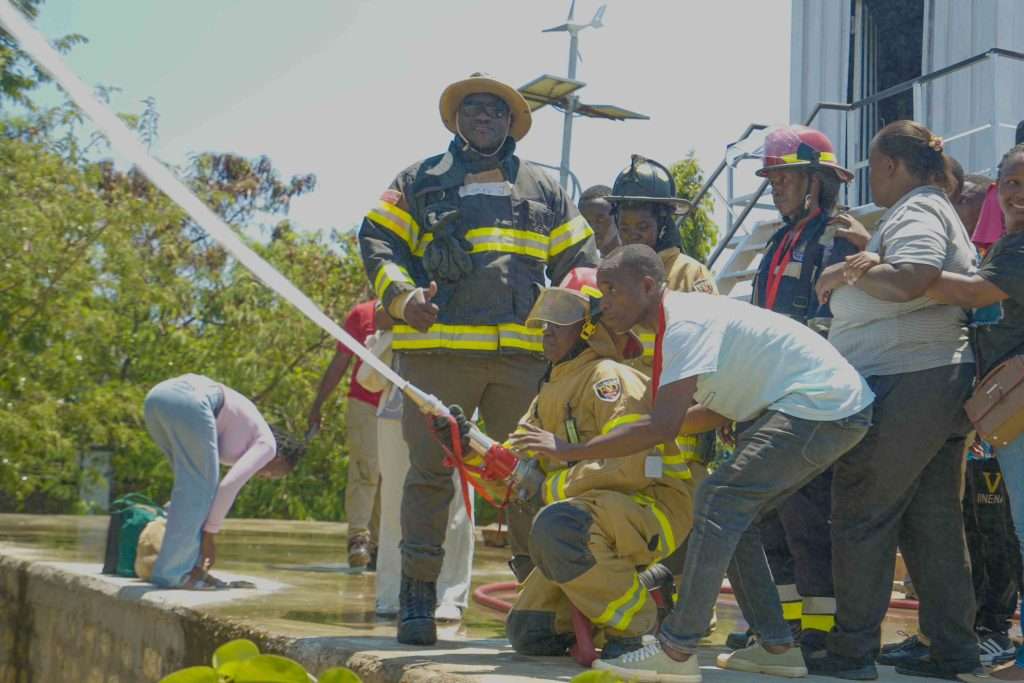
Importantly, exposure to AFM trainers and training programs represented a shift in these knowledge-sharing norms for many Kenyan fire and emergency service team members. AFM’s training models, which rely on volunteer U.S. trainers to share their extensive knowledge with Kenyan participants, demonstrated a cultural value that emphasized knowledge sharing as a new form of power, status, and job security. Over the course of more than a decade in Kenya, AFM’s training model encouraged and demonstrated benefits of firefighting and emergency service workers sharing new knowledge with their teammates and community members. These training curriculums encouraged Kenyan participants to “pay it forward” by emphasizing mentorship and train-the-trainer programming. For example, one Kenyan study participant named Joel* described how he worked to share knowledge with other fire service members across Kenya but also made a “handshake deal” with these trainees to pass on what they learned to others. This handshake deal ultimately encouraged knowledge spread across Kenya’s fire and emergency service communities. Joel’s persistence in this approach is attributed to knowledge spreading across the Kenya fire and emergency services, as evidenced by several study participants specifically noting Joel’s individual impact on shaping their pro-knowledge sharing behavior.
Early research findings, including those presented at the 2026 Wildland Fire Canada Conference and Canadian Smoke Forum in Saskatoon, Saskatchewan may help explain how culture is changing and evolving across the Kenya fire service in a way that ultimately shapes firefighter safety outcomes. Our initial findings indicate that Africa Fire Mission’s efforts to train specific values have shaped learning, leadership, and community service in Kenya, as well as reinforced safety practices in unexpected ways. Beyond their application in Kenya, these findings also support practical changes for HROs operating in international contexts (e.g., Africa) as well as under HROs in resourced communities (e.g., volunteer fire departments).
While these initial insights are interesting, they are only the start of creating a more vivid picture of changes across the Kenyan fire and emergency services. To date, the study includes more than 220 hours of field work, 1,300 photographs and more than 20 interviews has identified five key values that have shaped crucial changes in the Kenyan fire and emergency services. Ongoing analysis, combined with a 2026 University of Kentucky College of Communication and Information CURATE grant is supporting additional interviews and site visits, including research at the upcoming 2026 EMS and Fire Symposium scheduled to take place in Nairobi, Kenya this November.
Ultimately, a final report will go to the Africa Fire Mission and the study will be published in an academic, practitioner-focused journal.
Dr Amber Lynn Scott and Dr Ikeola Bodunde, are from the Department of Communication, College of Communication and Information, at the University of Kentucky.




No comment yet, add your voice below!