


The first investigation report into a helicopter crash that left a pilot dead during Colorado’s Gold Mountain Fire on July 12 was released by the National Transportation Safety Board on Wednesday.
The pilot, 56-year-old Nicholas Dale of Sooke, British Columbia, was the only person on board the Kaman K-1200 when it crashed while conducting water-bucket fire suppression flights during the fire, according to the NTSB preliminary report. The helicopter was equipped with a 660-gallon Bambi MAX Bucket with PowerFill Max (water bucket) suspended from the helicopter by a 150-ft-long line.
Dale completed five water bucket drops over the fire before the crash, which officials in the report called “unremarkable” because of the helicopter’s average maneuvers and the water bucket weighing about 3,000 lbs each time.
The helicopter’s final water bucket dip was extremely unusual, according to the report. The helicopter pitched up rapidly, causing the helicopter to roll right and the external load to increase in weight from 4,000 to 7,700 lbs. The helicopter was in an “extreme” right roll with its nose falling toward the water before the crash.
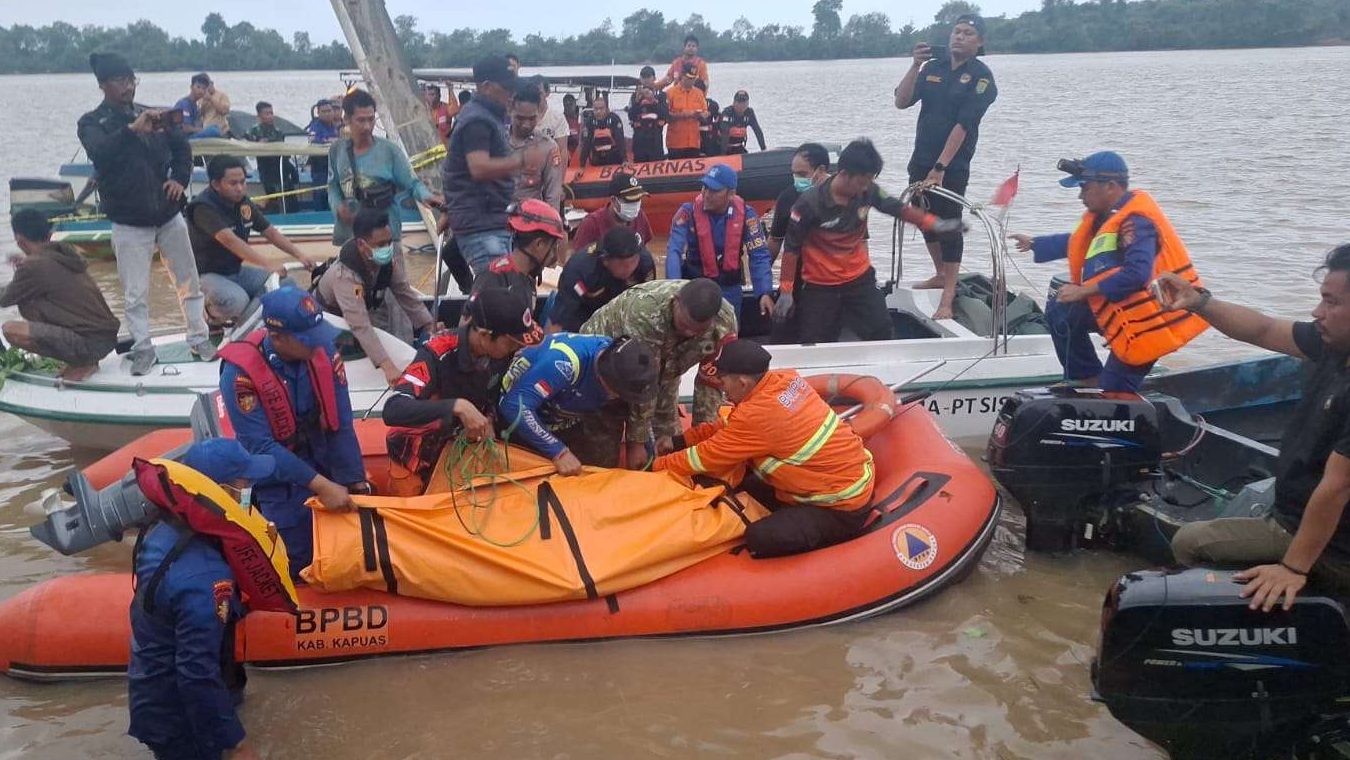
Officials recovered the crashed helicopter, water bucket, and video recording from the reservoir 10 days after the crash. Video did not immediately indicate a mechanical failure.
“The portions of the video that were reviewed, which included the final sequence of events, did not reveal any abnormal sounds or vibrations indicative of a rotorcraft system or engine malfunction during the flight,” officials said.
The Gold Mountain Fire, which started burning on June 27, is 87% contained and has burned over 39,000 acres in the Grand Mesa Uncompahgre and Gunnison National Forests as of Thursday. An estimated 86 personnel are patrolling portions of the fire to check containment lines and watch for any other heat or fire activity.




No comment yet, add your voice below!