


Recent research published by the National Oceanic and Atmospheric Administration has found that the most influential climate driver on Earth is also an accurate predictor of wildfire severity up to a year in advance.
The study, published in the Journal of Geophysical Research: Atmospheres, found that the “La Niña” and “El Niño” phases of a fluctuating water temperature climate pattern called the El Niño-Southern Oscillation influence where heightened wildfire activity will occur in specific regions across the United States the following year. The researchers uncovered the pattern by analyzing weather data and burned area records in each of the nine U.S. Geographic Area Coordination Centers from 1984 to 2022.
Researchers found that when the fall months hit a La Niña phase of the climate pattern, the likelihood of drought and high evaporative demand increases across the U.S. during the following winter and spring in southern states, which also increases the amount of land burned in wildfires. Conversely, an autumn El Niño brings wetter conditions to southern states, reducing the risk of extensive burned area.
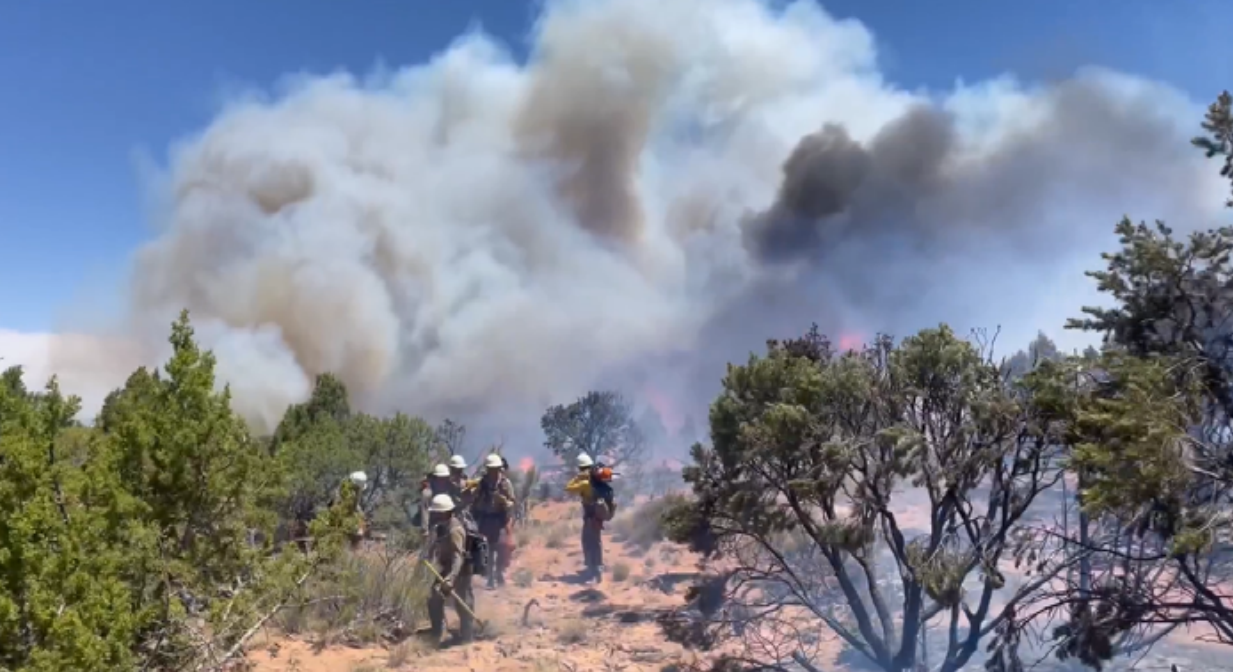
An example of the phenomenon happened over the past six months. The pattern entered its La Niña phase last fall, and was followed by a historic snow drought and early spring heat wave, creating drier and more flammable fuels.
PREVIOUS COVERAGE: ‘Unprecedented’ snow drought sets up extreme wildfires for Western US in 2026
“Unfortunately, this year in the West and southern tier, it has been very dry and very warm,” lead author and Physical Sciences Laboratory research meteorologist Andrew Hoell said in a press release. “We’re talking about some historically warm conditions and at the same time below average precipitation. That sets up the land surface to be able to burn.”
The researchers said additional studies on how the phases interact with wind speed, fuel moisture, and vegetation are needed to better understand the link between the climate pattern and wildfires, and to improve fire risk models at the local level.





1 Comment
Question if I may?
How will the Hawaiian Islands be affected possibly by this?