


A report prepared by the Department of Defense in 2019 identified 36 bases where wildfire is currently a concern. Taking climate change into account that number is expected to grow to 43 over the next 20 years.
An analysis required by the National Defense Authorization Act for Fiscal Year 2018 studied 79 priority installations based on their operational role. The goal was to assess the significant vulnerabilities from climate-related events in order to identify high risks to mission effectiveness on installations and to operations.
The installations break down by organization as follows:

In addition to the predicted effects of climate change on wildfire potential, the report also considers recurrent flooding, drought, desertification, and the thawing of permafrost.
The installations that currently are not classified as vulnerable to wildfires but are expected to become so within 20 years are:
- Key West Naval Air Station, Florida
- Kings Bay Naval Submarine Base, Georgia
- Joint Base Pearl Harbor & Hickham, Hawaii
- Wahiawa Annex, Hawaii
- Naval Magazine Indian Island, Washington
- Naval and Submarine Base Bangor, Washington
- Naval Base Guam
Of the 79 installations that were considered in the study, all that were predicted to develop a new vulnerability to wildfire are Naval Bases. Of the 21 Army bases only 4 are now described as vulnerable to wildfire and no others are identified as becoming vulnerable within 20 years.

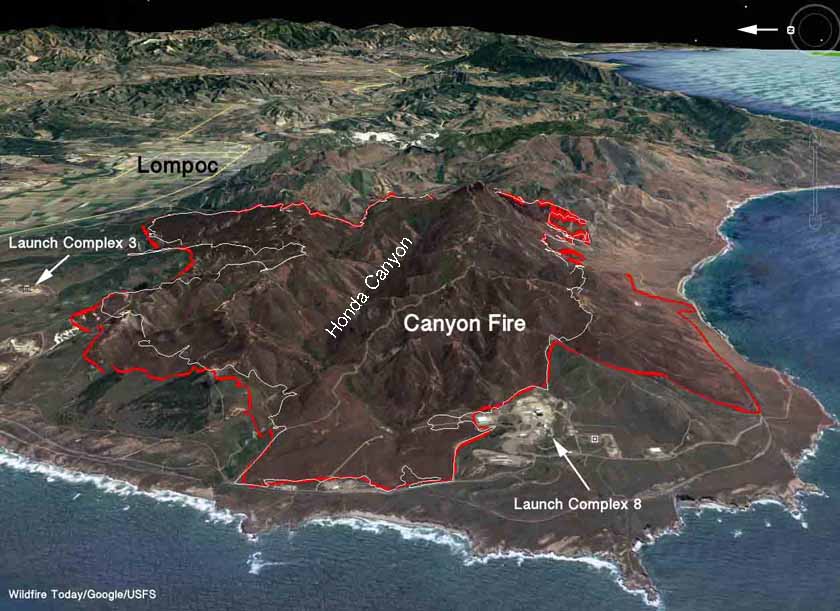
One example of an Air Force Base that is currently vulnerable to wildfires is Vandenberg on the Southern California Coast. Two fires on the base come to mind:
- On December 20, 1977, three people were entrapped and killed on the Honda Canyon Fire on the base, including the Base Commander Colonel Joseph Turner, Fire Chief Billy Bell, and Assistant Fire Chief Eugene Cooper. Additionally, severe burns were experienced by Heavy Equipment Operator Clarence McCauley. He later died due to complications from the burns.
- In 2016 the Canyon Fire burned over 12,000 acres on the base. Dozens of firefighters were entrapped and endured a harrowing escape through very thick smoke and flying embers. The Wildland Fire Lessons Learned center produced an excellent explanatory video about the entrapment.







