Rain fell shortly after the July 3 fireworks show at Mount Rushmore. The official Remote Area Weather Station at the Memorial recorded 0.17 inch between 10 p.m. and 12 p.m MDT. In less than an hour the relative humidity went from 44% to 86%. The rain was followed 24 hours later with another 0.03 inch at 11 p.m. MDT July 4.
“We had crews monitoring on the mountain last night and they are still working today,” a spokesperson for the Incident Management Team mobilized for the event, Erin Hilligoss-Volkmann, said Saturday afternoon July 4. “There have been no reports of fires as of yet. We are continuing to monitor and will have more information soon. As you’re likely aware, there was a pretty significant rain event following the fireworks event.”
If any fires were started by burning embers from the explosions they likely would have grown very slowly in the sparse fuels remaining two months after the Memorial was treated with a prescribed fire. The rain falling within minutes after the program ended accompanied by very high humidity would have made it difficult for a new fire to grow or avoid extinction.
In addition to the 27 fires started at Mount Rushmore by previous uses of fireworks from 1998 to 2009, many of those concerned about the environment have additional concerns:
- Putting even more carcinogens in the water. Studies from 2011 to 2015 by the USGS found 270 times more perchlorate in the water at Mount Rushmore than in the surrounding area and determined that it likely came from fireworks. The Centers for Disease Control says high levels of perchlorate can affect the thyroid gland, which in turn can alter the function of many organs in the body. The fetus and young children can be especially susceptible.
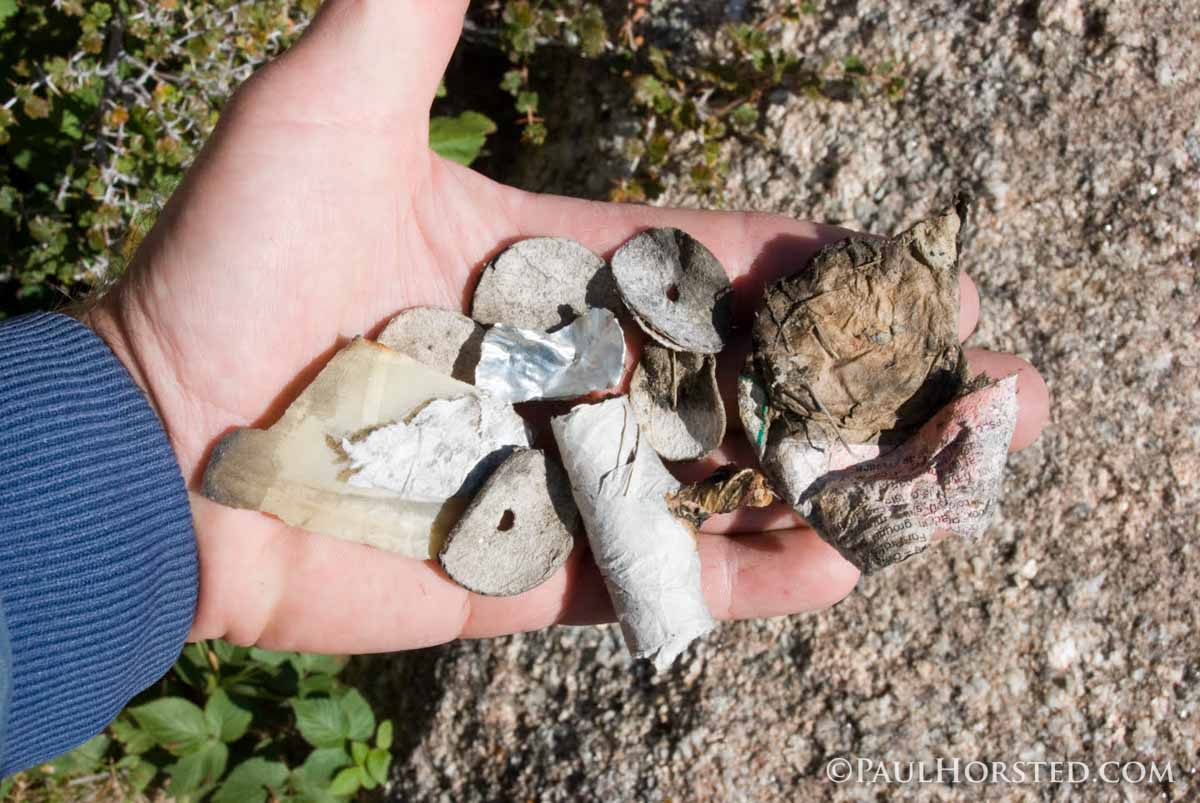
- The trash can never be completely picked up. Left on the sculpture and in the forest are unexploded shells, wadding, ash, pieces of the devices, and paper; stuff that can never be totally removed in the very steep, rocky, rugged terrain.