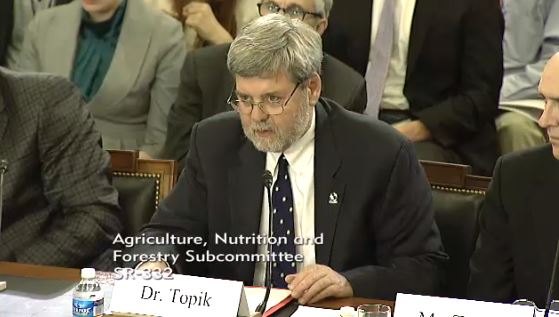
On November 5 the Senate Subcommittee on Conservation, Forestry and Natural Resources held a hearing titled, “Shortchanging Our Forests: How Tight Budgets and Management Decisions Can Increase the Risk of Wildfire”. A video recording of the hearing can be viewed at the subcommittee’s website.
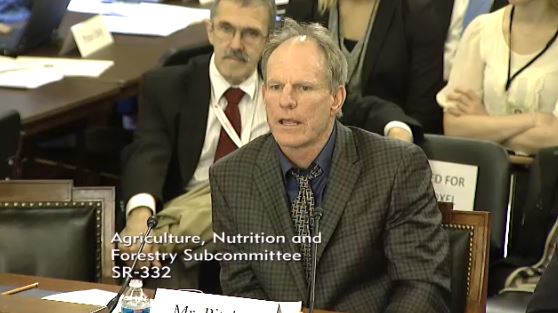
It was held in a small room where the five witnesses outnumbered the four Senators. Generally, the attendees recommended that the government must invest more in forest thinning, prescribed fire, and hazard reduction projects.
Below are some excerpts from the written testimony of a few witnesses. Their statements can be downloaded at the website.
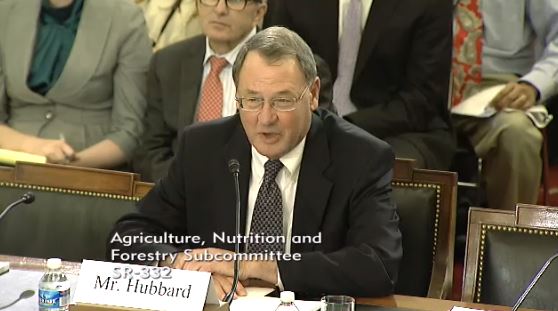
From Jim Hubbard, USFS Deputy Chief, State and Private Forestry:
When a wildfire starts within or burns into a fuel treatment area, an assessment is conducted to evaluate the resulting impacts on fire behavior and fire suppression actions. Of over 1,400 assessments conducted to date, over 90 percent of the fuel treatments were effective in changing fire behavior and/or helping with control of the wildfire (USFS, Fuels Treatment Effectiveness Database).
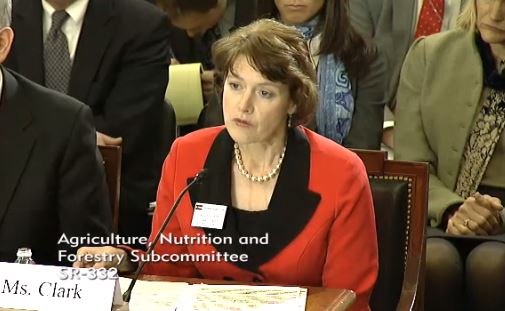
From Sallie Clark, El Paso County Commissioner, Colorado:
A 2007 Congressional Budget Office study indicates that every dollar invested in healthy forest and wildfire mitigation will save more than five dollars in future disaster losses.
From Christopher Topik, Director, Restoring America’s Forests, The Nature Conservancy:
Our current approach to wildland fire and forest management creates a false choice, pitting the viability of one against the other. In reality, we cannot afford to short-change either. The potential costs are too great.
SUMMARY OF KEY RECOMMENDATIONS
I. Budgetary
1. Increase federal funding for hazardous fuels reduction, Collaborative Forest Landscape Restoration and associated proactive federal land management operations and science
2. Create and fund a new federal fire suppression funding mechanism to free up resources for proactive management referenced above
3. Permanently authorize stewardship contracting authority
4. Increase capacity of states and communities to become fire adapted
5. Increase research on economic, social and ecological impacts of forest investment
II. Management Decisions
6. Seek policy adjustments that foster innovation and improvement in NEPA implementation, thereby increasing the scale and quality of resulting projects and plans
7. Increase shared commitment and support for forest restoration by states and local governments
8. Enhance participation of additional sectors of society, such as water and power utilities, recreation and tourism, public health, and industrial users of clean water
9. Increase the safe and effective use of wildland fire