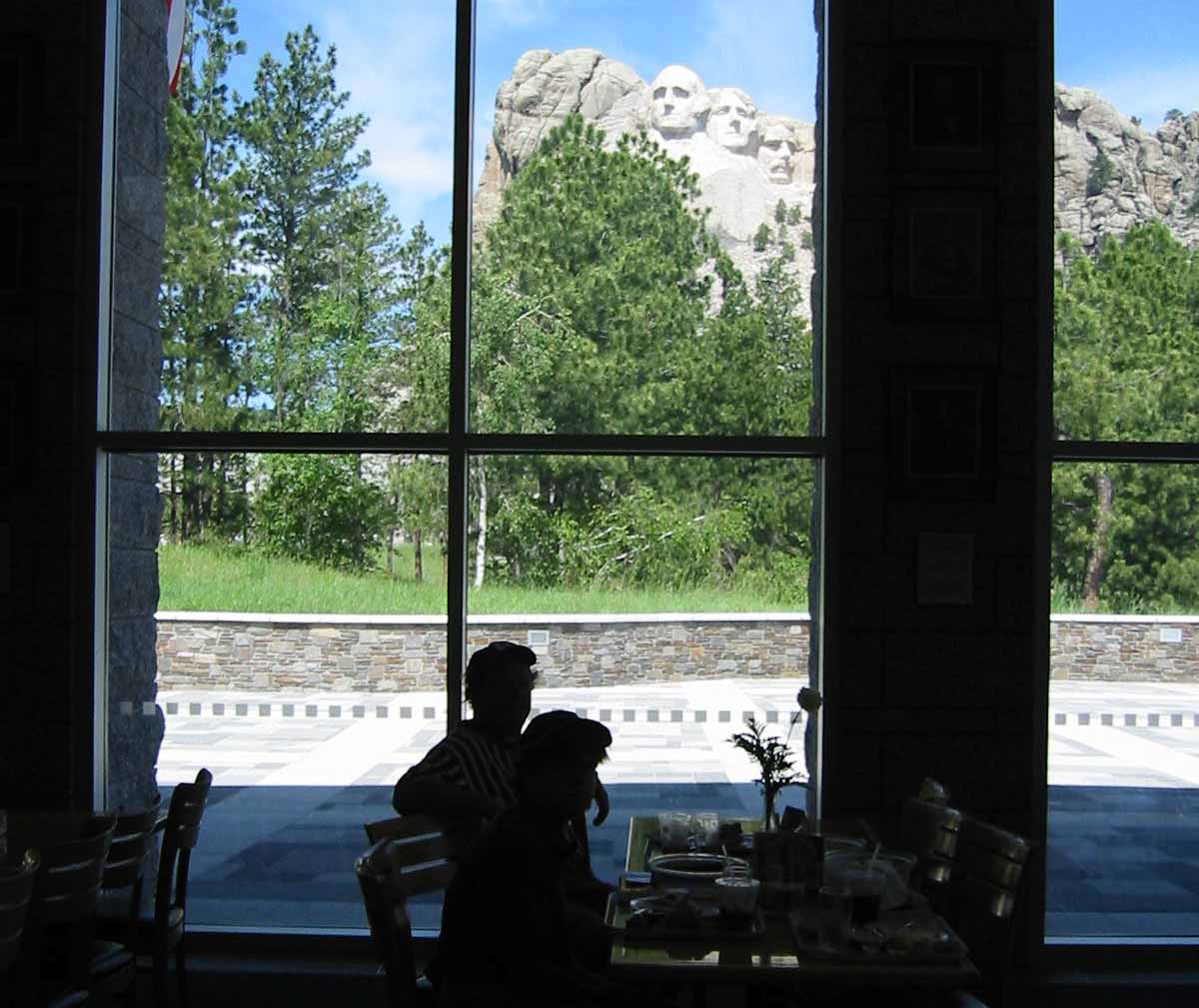
There is a chance that the wildfire danger on July 3 could cause the fireworks planned over Mount Rushmore National Memorial to be cancelled or postponed. But the National Park Service has refused to disclose how they will make their decision.
President Trump and South Dakota Governor Kristi Noem have been advocating for fireworks over the sculpture since 2018. Fireworks were shot at the Memorial 11 times between 1998 and 2009, but were cancelled due to wildfire danger in 2002, 2010, and 2011 and have not been used since.
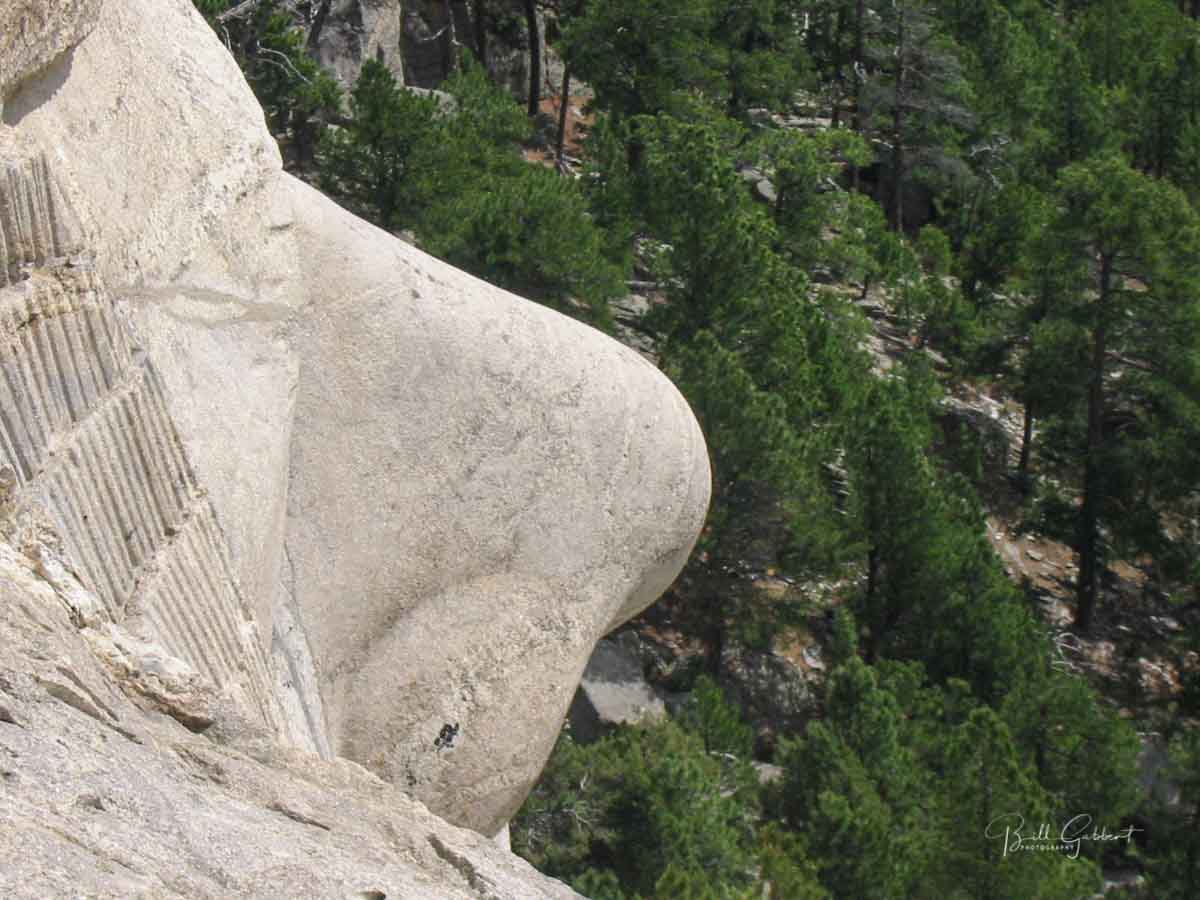
The President has said, referring to the fireworks,”what can burn? It’s stone.” The sculpture of course is stone, but it is on steep, rugged terrain surrounded by very flammable ponderosa pine trees adjacent to the Black Hills National Forest.
I was the Fire Management Officer for Mount Rushmore and six other National Park Service (NPS) sites from 1998 to 2003 during the first 4 of the 11 years when fireworks were used 1998 through 2009. My job during the events was to organize for and suppress the wildfires using the scores of firefighters we deployed on site.
The Environmental Assessment completed by the National Park Service earlier this year that addressed resuming the fireworks stated that during the 11 years fireworks were used, 20 fires were caused by the fireworks. The Washington Post uncovered a 2017 document in which the National Park Service noted that “a minimum of 27” wildfires were started by the fireworks shows.
My records show that in one two-year period, 2000 to 2001, 17 fires were started — 10 in 2000 and 7 in 2001. I don’t have fire occurrence records for the other nine years of fireworks were used.
In 2000 one of the fires burned through the night, grew to several acres, and required a 20-person crew and a helicopter to bring it under control the following day. There were two injuries; one person had to take time off from work to recover.
Several of the fires were more than 1,000 feet away from the launch site, far beyond the stone referenced by the President.
During the early years of the events I helped develop a Go/No-Go checklist of criteria that had to be acceptable to allow the show to occur. It included items such as obtaining a Spot Weather Forecast from the National Weather Service, wind speed, qualifications of firefighting personnel, and the Probability of Ignition (PI). The PI is the chance that a burning ember or firebrand will cause an ignition when it lands on receptive fuels. The beautiful fiery streaks you see after every explosion of fireworks contain hot embers, some of which after landing on the ground can start a fire.
I still have in my files a letter the NPS Midwest Regional Office sent to the staff at Mount Rushmore after the 17 fires in 2000 and the one that burned into the next day. It directed that in the future the maximum allowable PI be “less than 10 percent.”
I asked the NPS for a copy of the current Go/No-Go checklist and specifically the requirement this year for the PI. My questions were redirected to Erin Hilligoss-Volkmann, the Information Officer on the Incident Management Team that has been assigned to Mount Rushmore to help manage the event. She replied:
The Go/No Go checklist is not publicly available at this time due to security and safety concerns.
Fire condition criteria, such as: the fire preparedness level; burning index; fuels and moisture conditions; wind and weather conditions are part of the assessment. Detailed information about specific trigger points will not be released due to security and safety concerns.
Some current and former NPS employees have concerns about the fireworks.
“I am appalled that fireworks are scheduled for Mt Rushmore, especially considering the high danger of wildfire,” said Valerie Naylor, a retired NPS Superintendent who lives near the memorial. “We determined a decade ago that the wildfire risk, fireworks debris, environmental contamination, and damage to the sculpture were unacceptable. The memorial’s own planning documents reflect that. Now there is the added risk and complexity of operating in a dangerous pandemic. Conducting an event like this is unnecessary and irresponsible and puts park staff and the public at high risk.”
My Opinion
Refusing to disclose the criteria that will determine if it is safe to explode fireworks over a ponderosa pine forest could lead a person to conclude that the National Park Service officials in South Dakota and Washington think they have something to hide. Is it actually a major security issue, or do they just want to conceal facts that could be politically embarrassing? The probability of ignition is not a political issue, it is science. A PI higher than 10 percent could put the public and the natural resources at risk.
The National Park Service needs to put on their big boy pants and be transparent about the fireworks.
The South Dakota Governor’s office should not be overlooked either. In the days leading up to the fireworks a wildfire broke out on state land six miles from Mount Rushmore. For years South Dakota state Incident Commanders and local public information personnel have been the primary distributors of information about developing fires being fought by state personnel. But they were gagged in this case, and the Governor’s office was the only official information source available, presumably because Governor Noem feared the occurrence of a fire near Mount Rushmore could affect the public perception of the wisdom of exploding fireworks over a forest 10 days later into the wildfire season. Even former Governor Bill Janklow, who was very, very hands on when fires were burning, did not attempt to control information about ongoing fires.