
Wildfires in Texas and Idaho are producing most of the smoke
Continue readingEuropean countries intend to purchase 22 twin-engine scooping air tankers
 DHC-515. Image by De Havilland Aircraft of Canada.
As drought and unprecedented heat waves result in a surge of wildfires in Western Europe, attention is drawn to the resources available to assist firefighters, especially fixed wing aircraft.
The European Union budgeted about 900 million euros in 2021 for civil protection, preventing and responding to crises, and expects that amount to increase.
Currently the EU coordinates and funds the deployment of 12 fixed wing firefighting airplanes and one helicopter pooled by EU countries. Reuters reports that as assistance is expected to rise due to climate change and more frequent wildfires, the EU plans to purchase crisis-response aircraft, EU Commissioner for Crisis Management Janez Lenarcic said.
From Reuters:
“These planes will be technically bought by the member states but they will be 100% financed by the European Union,” said Lenarcic.
Lenarcic declined to name the companies involved as contracts have not yet been signed, but said plans are to relaunch production of amphibious planes that scoop up water to douse fires.
In a March 31, 2022 press release, De Havilland Aircraft of Canada announced a new twin-engine water scooping aircraft, the DHC-515, formerly known as CL-515. The CL-515 was first teased in December 2018, but the actual production has been delayed.
De Havilland wrote that they “launched the De Havilland DHC-515 Firefighter program, which will involve negotiating contracts with our European customers and ramping up for production,” said Brian Chafe, Chief Executive Officer of De Havilland Canada.
“European customers have signed letters of intent to purchase the first 22 aircraft pending the positive outcome of government-to-government negotiations through the Government of Canada’s contracting agency, the Canadian Commercial Corporation,” the announcement read. “De Havilland Canada expects first deliveries of the DHC-515 by the middle of the decade, with deliveries of additional aircraft to begin at the end of the decade, providing other customers the opportunity to renew existing fleets or proceed with new acquisition opportunities at that time.
“The final assembly of the aircraft will take place in Calgary, Alberta where work on the CL-215 and CL- 415 aircraft currently takes place. It is anticipated that more than 500 people will need to be recruited over the coming years to successfully deliver this program.”
Meanwhile there may be disagreement in Portugal about which type of firefighting airplane to purchase. The Portugal Resident reports that the Council of Ministers approved a resolution to purchase 12 helicopters and two “heavy duty” amphibian airplanes. The report is that the country intends to spend a total of €60 million to buy two CL-415s which are no longer in production. They are most likely looking at the soon to be manufactured DCH-515.
The Council of Ministers’ resolution that approved the purchase of the two scoopers, according to the Portugal Resident, “chose to finance the operation with PRR money coming from Brussels, and from money available through the European Mechanism for Civil Protection.”
The Portugal Resident wrote that João Marques, president of the association of Portuguese Volunteer Firefighters, recommends that they spend the money instead on Fire Boss single engine scooping air tankers that he said cost about €3 million each.
Thanks and a tip of the hat go out to Gerald.
Additional wildfires break out in Europe as extreme heat continues
Multiple wildland-urban interface fires in greater London destroy dozens of homes
Continue readingNames released of four first responders killed in New Mexico helicopter crash
The four first responders that died Saturday July 16 when a Bernalillo County Sheriff’s Office helicopter crashed northeast of Albuquerque, New Mexico have been identified: Undersheriff Larry Koren, Lieutenant Fred Beers, Deputy Michael Levison, and Rescue Specialist Matthew King. They were the only personnel on board.
All worked for the Sheriff’s Department except for Mr. King who was with the Bernalillo County Fire Department.
The Sheriff’s Department said in a news release July 17 that the “Metro 2” helicopter and its crew were assisting with the East Mesa Fire, providing bucket drops and other air logistics needs to fire crews on the ground.
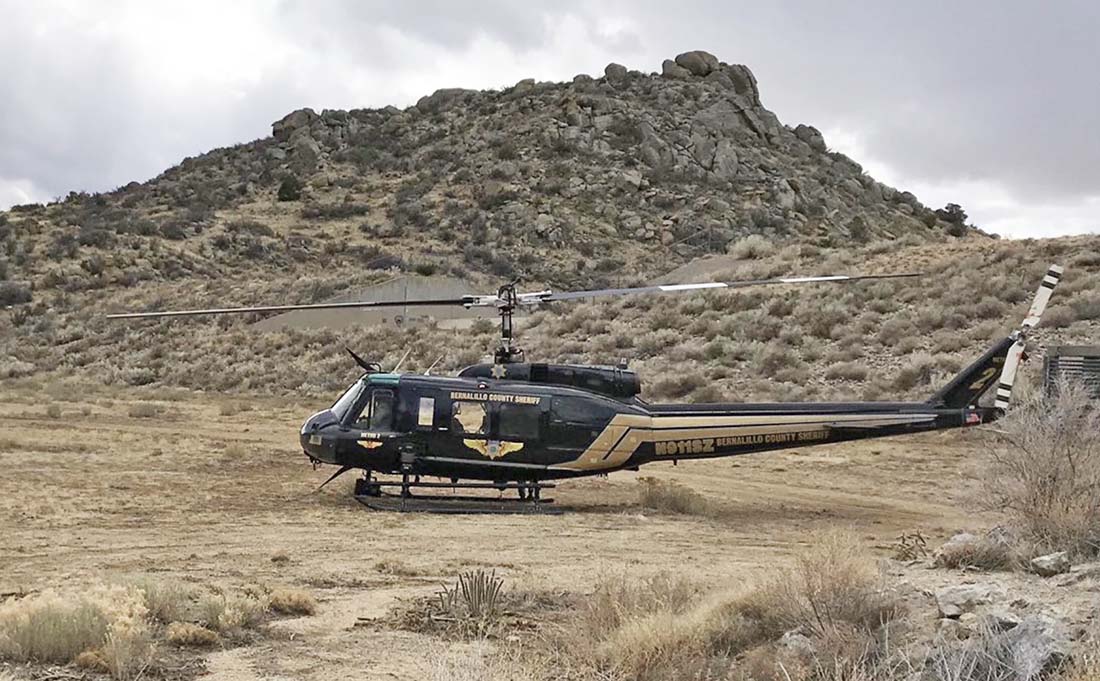 File photo of Bernalillo County Sheriff’s Dept. Metro 2. BCSO photo
The helicopter, a Bell UH-1H Huey, N911SZ, was destroyed.
Our sincere condolences go out to the families, friends, and co-workers of these men.
Personnel killed in New Mexico helicopter crash identified
The four first responders that died Saturday July 16 when a Bernalillo County Sheriff’s Office helicopter crashed northeast of Albuquerque, New Mexico have been identified: Undersheriff Larry Koren, Lieutenant Fred Beers, Deputy Michael Levison, and Rescue Specialist Matthew King.
They all worked for the Sheriff’s Department except for Mr. King who was with the Bernalillo County Fire Department.
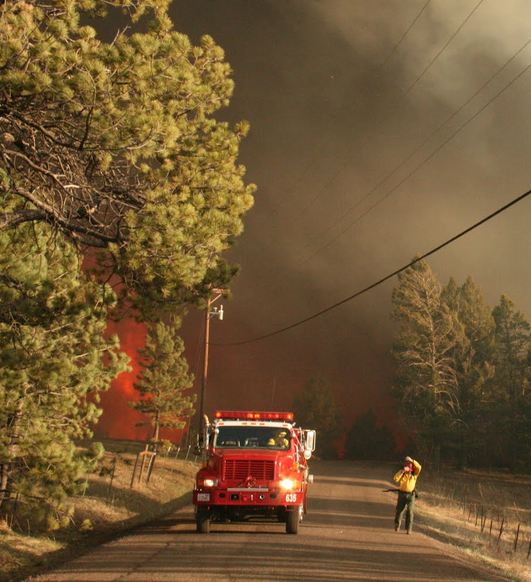
The Sheriff’s Department said in a news release July 17 that the “Metro 2” helicopter and its crew were assisting with a wildfire in the area, providing bucket drops and other air logistics needs to fire crews on the ground.
The helicopter, a Bell UH-1H Huey, N911SZ, was destroyed.
More information about the flight is in our first article about the incident.
Helicopter crash kills four while working a wildfire in New Mexico
 File photo of Bernalillo County Sheriff’s Dept. helicopter, Metro 2, Feb. 17, 2009. BCSO photo.
A law enforcement helicopter assisting firefighters on a wildfire in New Mexico crashed Saturday July 16, killing the four personnel on board.
“Preliminary information indicates that three Bernalillo County Sheriff’s Office (BCSO) personnel and one Bernalillo County Fire employee were onboard at the time of the crash,” the Sheriff’s Department said in a statement at 12:26 a.m. Sunday. “There are no known survivors. These personnel were headed back to Albuquerque after assisting fire crews with the East Mesa Fire. Representatives from BCSO are on scene along with the New Mexico State Police. At this time the investigation into this incident is in its preliminary stages.”
Preliminary information available soon after an aircraft crash, even if from very reputable sources, is rarely 100 percent accurate. The NTSB will investigate this incident and within a year or so will release a final report.
The helicopter was a Bell UH-1H Huey, N911SZ, serial number 70-16431.
KRQE reported that “BCSO has frequently used its helicopter to provide aerial firefighting and other assistance across New Mexico, particularly this fire season. In the past several days, BCSO used the Metro 2 helicopter to fight a small fire in the East Mountains near Albuquerque, and the Atalaya Fire near Santa Fe.”
The last flight of the helicopter recorded on FlightAware showed that at 1:53 p.m. MDT on July 16 it departed Double Eagle II Airport seven miles northwest of the central business district of Albuquerque then flew east for the next 39 minutes in the general direction of the East Mesa Fire. The aircraft was last recorded in a very remote location 25 miles east-northeast of Albuquerque, 6 miles southwest of Las Vegas, NM at 2:32 p.m. MDT. That was 27 miles west of the fire at an elevation of approximately 7,300 according to FlightAware’s flight data and Google Earth’s topographic data. The aircraft had been slowly descending from 7,640′ for the previous three minutes.
(UPDATE at 3:15 p.m. July 18, 2022: The Sheriff’s office released information today indicating that there were other Metro 2 flights on July 16 not recorded by FlightAware, including water bucket drops on the East Mesa Fire. Its final flight, the Sheriff’s Office said, originated from the Las Vegas, NM airport at 6:36 p.m. en route to Double Eagle II airport. The helicopter’s last known location was “just south of Las Vegas, NM” at 7:18 p.m.)
A UH-1H pilot was killed in Australia February 14, 2022 when the helicopter crashed while working on a bush fire southeast of Pipers Brook, Tasmania.
We send out our sincere condolences to the families, friends, and co-workers of the four personnel who were killed Saturday.
The article was edited to show that upon leaving the Double Eagle II Airport the helicopter flew east, not west.
Thanks and a tip of the hat go out to Tom, Maurice, Jim, and Gerald.
Hot dry weather leads to numerous wildfires in Europe
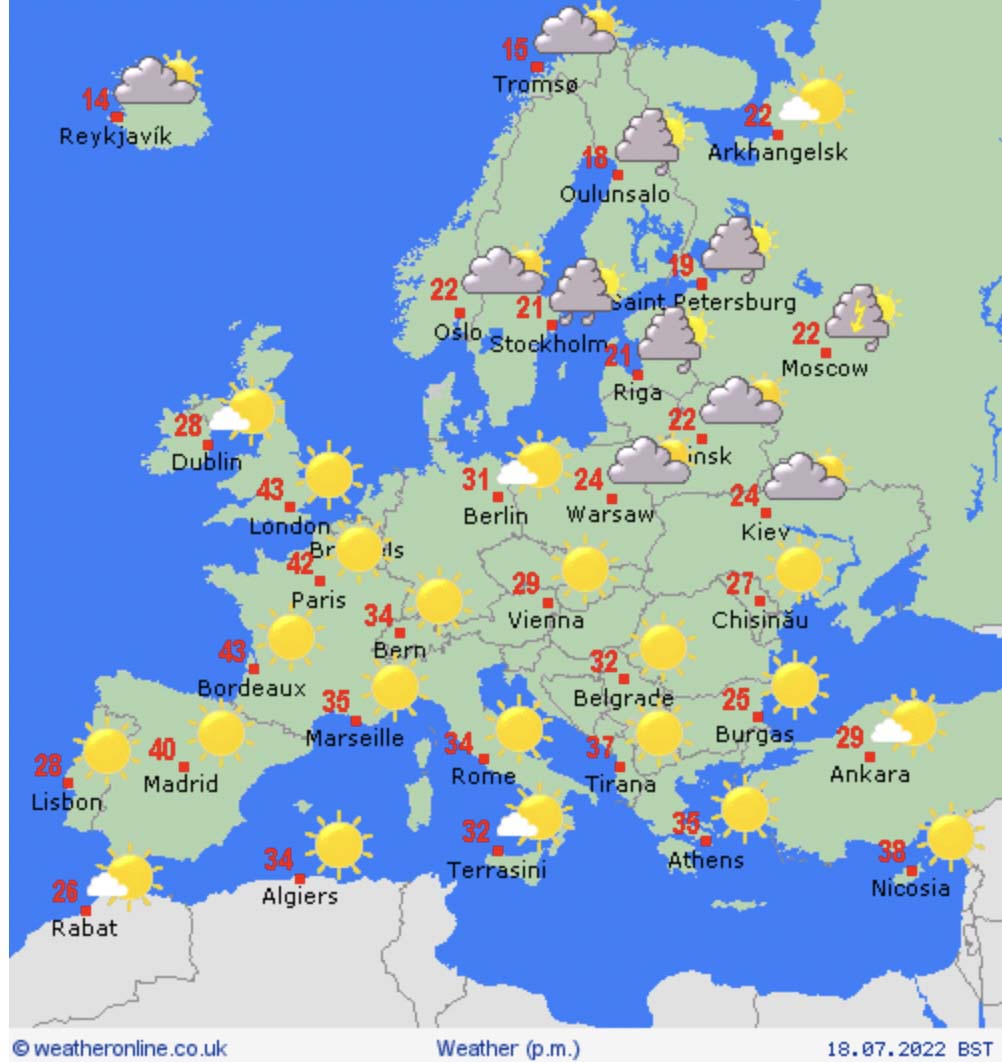 Weather forecast, Europe, for July 18, 2022. WeatherOnlne. For reference, 40C is 104F, and 35C is 95F.
As Western Europe enters its second heat wave in the last 30 days the maximum temperatures are predicted to set records. Residents in the United Kingdom could experience conditions none of them have ever seen as the temperature rises to 104F degrees (40C) or more, prompting officials to issue the first ever red “extreme heat” warning for Monday and Tuesday.
Farther south in Europe, in southwest France on Saturday there were temperature peaks of close to 108F (42C), as the city of Biarritz broke a maximum temperature record. Nearly three-quarters of the country’s population, 45 million people, were affected by red or orange heat alerts in what is the earliest heat wave ever recorded in France.
The hot, dry weather has resulted in numerous wildfires in Britain, Spain, Portugal, and France over the last several days, bringing an earlier than usual start of the fire season. Firefighters in London, yes, London, have dealt with more than 800 vegetation fires since the start of last month to July 12.
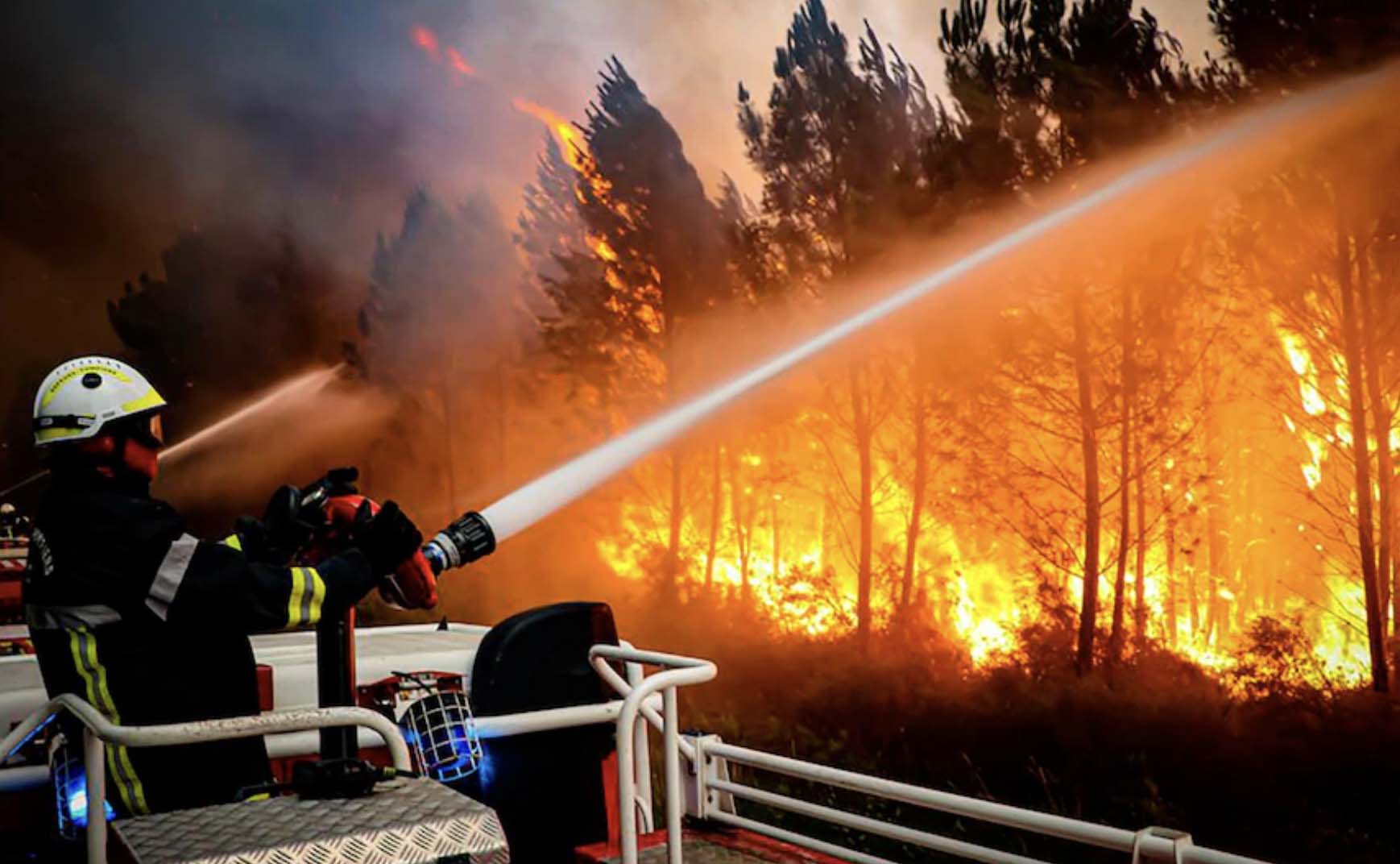 Firefighters work on a wildfire in the Bordeaux region of southwest France. AP.
Two blazes near the coastal town of Arcachon in France’s southwest Gironde region have burned more than 24,000 acres since Tuesday. About 3,000 firefighters assisted by firefighting aircraft are battling the blazes in southern France.
On Friday a pilot was killed while working on a fire in Northeast Portugal when an Air Tractor AT-802AF Fire Boss went down near the town of Torre de Moncorvo after scooping water on the Douro river.
Spain is also working on several large fires that have burned tens of thousands of acres. In southern Andalusia, 3,000 people were evacuated after a fire started near the village of Mijas in the province of Malaga. Around 200 firefighters supported by 18 aircraft are assigned to the incident.
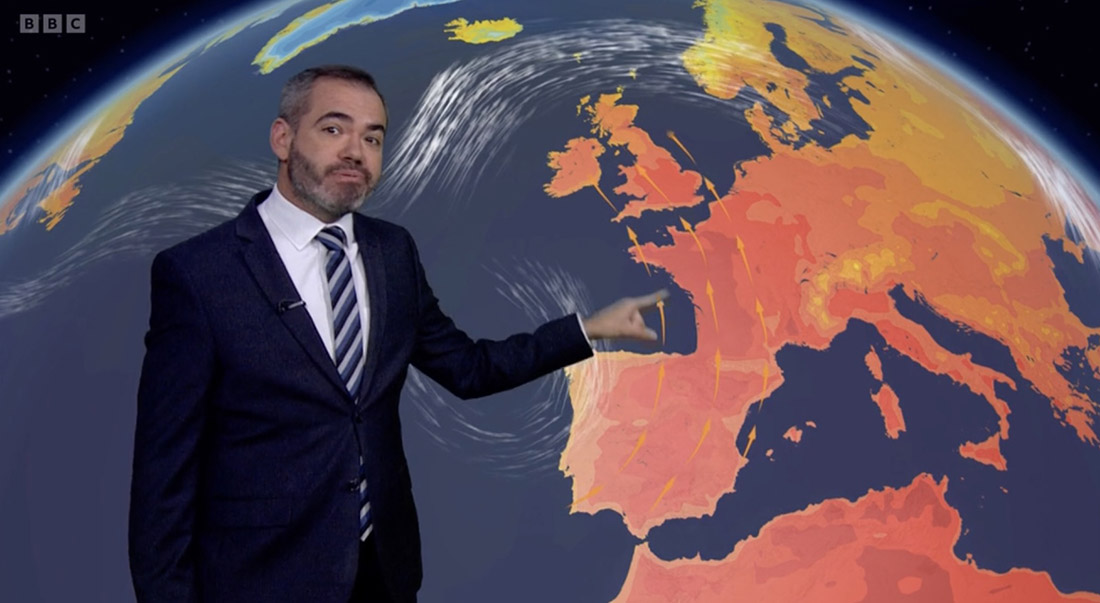 BBC weather forecaster Ben Rich.
BBC weather forecaster Ben Rich explained that the current heat wave is caused by the jet stream shifting north and a portion of it breaking off to form a low pressure area west of Portugal, a cutoff low, with south winds pumping heat north into Western Europe including Spain, France and the UK.
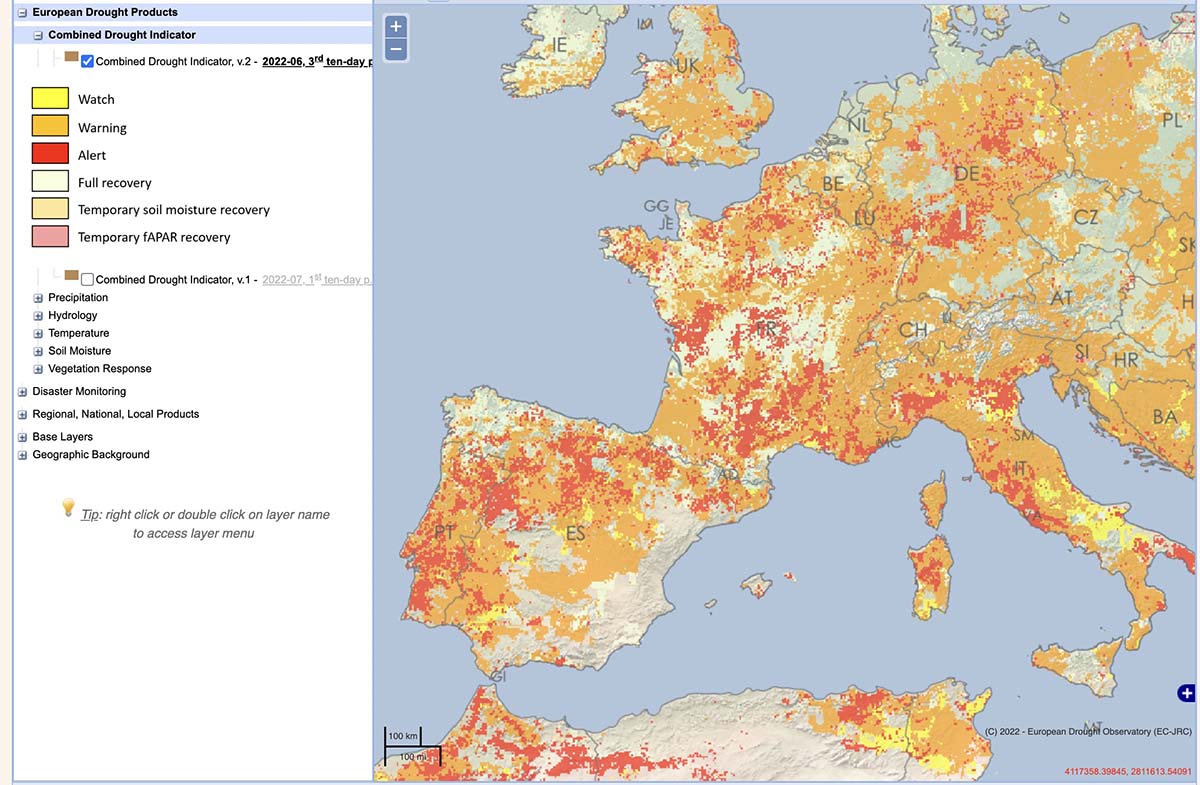 Combined drought indicator last 10 days in June, 2022. European Commission’s Drought Observatory..
Much of Western Europe and the southern UK are in drought ranging from warning to alert levels, according to the European Commission’s Drought Observatory. The dry soils allow more surface heating and the result is record-setting temperatures and lower than average moisture in the vegetation, establishing conditions that are conducive to large wildfires with high resistance to control.
The video below is a summary of current wildfires in Western Europe.
Air tanker crash in Portugal kills pilot
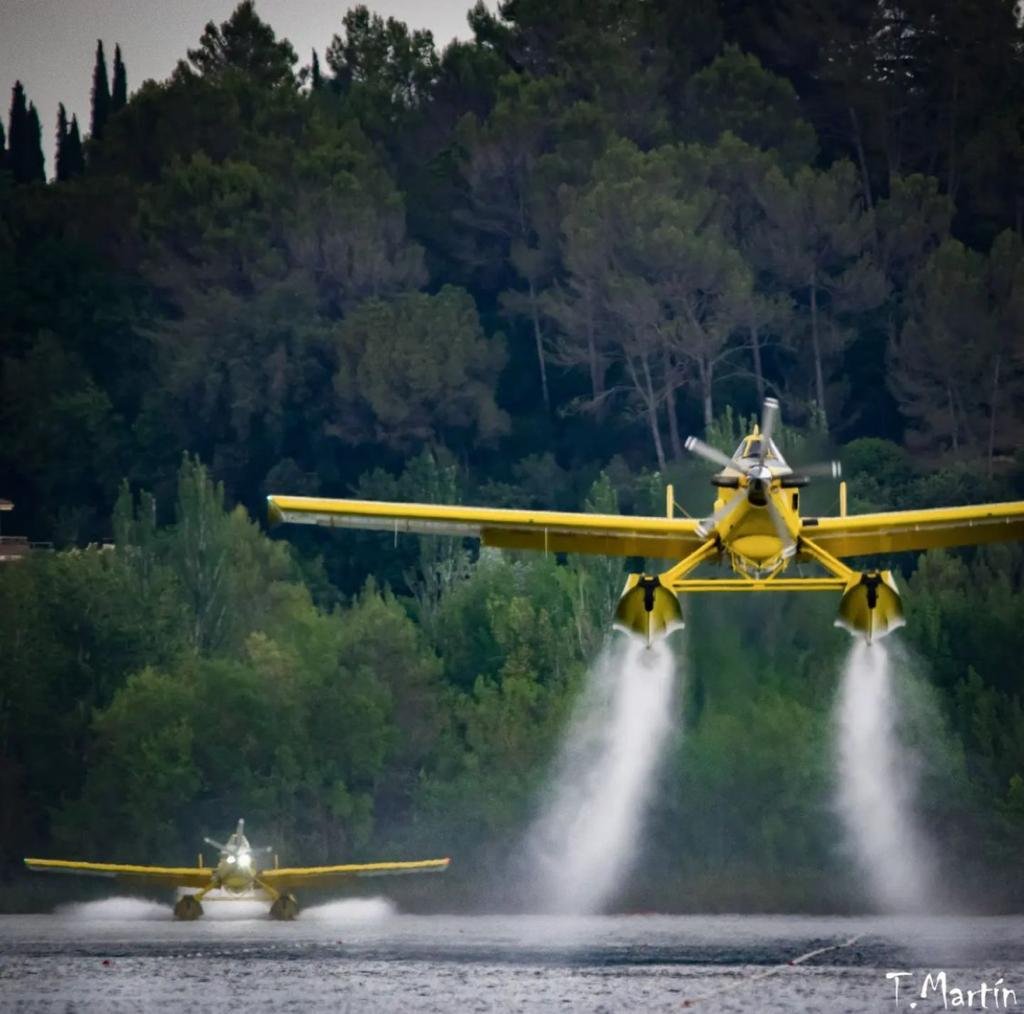 File photo. AT-802. Titan Aerial Firefighting photo.
This article was first published on Fire Aviation.
A pilot died Friday in the crash of an air tanker in Northeast Portugal.
In a message on his official Twitter account, Portuguese Prime Minister António Costa said, “It was with great dismay that I became aware of the death of the pilot who operated an aircraft that crashed this afternoon….I send my deepest condolences to family and friends.”
The Air Tractor AT-802AF Fire Boss went down near the town of Torre de Moncorvo after scooping water on the Douro river. The pilot was the only person on board the single engine air tanker that had departed from Viseu-Gonçalves Lobato Airport (VSE/LPVZ). Photos show that the aircraft was severely damaged. Joao Sousa, mayor of the town of Foz Coa where the incident took place, told Lusa news agency the pilot was pronounced dead at the scene.
The aircraft was operated by Titan Aerial Firefighting which has offices in Spain. The company announced on Saturday that the pilot was André Serra, from Agromontiar.
“On behalf of the whole company, friends and colleagues say goodbye to you,” they wrote. “We offer our deepest condolences to the relatives of André, a great professional and better person who has left us too soon. Rest in peace.”
Our sincere condolences go out to the family, friends, and co-workers of Mr. Serra.
Thanks and a tip of the hat go out to Gerald.
Another 737 air tanker takes to the skies
Tanker 139 made its first fire drop July 14, 2022
Continue readingPilot killed in Portugal air tanker crash
 File photo. AT-802. Titan Aerial Firefighting photo.
A pilot died Friday in the crash of an air tanker in Northeast Portugal.
In a message on his official Twitter account, Portuguese Prime Minister António Costa said, “It was with great dismay that I became aware of the death of the pilot who operated an aircraft that crashed this afternoon….I send my deepest condolences to family and friends.”
The Air Tractor AT-802AF Fire Boss went down near the town of Torre de Moncorvo after scooping water on the Douro river. The pilot was the only person on board the single engine air tanker that had departed from Viseu-Gonçalves Lobato Airport (VSE/LPVZ). Photos show that the aircraft was severely damaged. Joao Sousa, mayor of the town of Foz Coa where the incident took place, told Lusa news agency the pilot was pronounced dead at the scene.
The aircraft was operated by Titan Aerial Firefighting which has offices in Spain. The company announced on Saturday that the pilot was André Serra, from Agromontiar.
“On behalf of the whole company, friends and colleagues say goodbye to you,” they wrote. “We offer our deepest condolences to the relatives of André, a great professional and better person who has left us too soon. Rest in peace.”
Our sincere condolences go out to the family, friends, and co-workers of Mr. Serra.
Thanks and a tip of the hat go out to Gerald.