Air Tanker 247 scooping water at Castaic Lake December 6, 2017 . Photo by Robert Schwemmer.
The President of France, Emmanuel Macron, announced that by the end of his term in 2027 the country will have replaced their existing fleet of 12 Canadair scooping air tankers and increased the number to 16.
Mr. Macron referred to this as an “emergency air rearmament” after an extremely busy wildfire season this year. He said there would be an investment of 250 million euros for an “unprecedented order” from Canadair. They also plan to acquire two heavy helicopters.
The Head of State warned that this “exceptional summer” “may not be so so” in the future due to climate change, during a tribute ceremony in the village hall of the ‘Élysée, to those involved in the fight against fire.
“For many of you, this summer was a season in hell”, “hell of flames, fatigue, desolation”, he said.
De Havilland Aircraft has purchased the rights to Canadairs, which have not been built for years, although some older aircraft have been upgraded to CL-415T and CL-415 EAF. The company announced in September they would be building a large manufacturing facility east of Calgary, Alberta. They expect to employ 1,500 workers to produce at least three lines of aircraft — DHC-515 (a modernized and upgraded CL-415), DHC-6 Twin Otter, and Dash 8-400 (Q400).
The DHC-515, first teased in 2018, will be assembled in Calgary with deliveries beginning by the middle of the decade.
On September 21 Gérald Moussa Darmanin, French Minister of the Interior, said, “We want to increase the number of Canadair [water scooping air tankers] in our own fleet from twelve to sixteen. But the problem is not to buy them, it is to produce them. Today there are no longer any factories that do so.”
Mr. Darmanin did not mention at that time they intended to replace the existing 12 water scoopers.
Smoke at the Beaver Fire in Northern California, August 12, 2014. Photo by Bill Gabbert.
Immune cells that normally protect against inflammation and infections can be altered by wildfire smoke to promote inflammation. A long list of diseases are associated with inflammation. Studies have shown that healthy individuals and those with pre-existing conditions are affected by the very small PM2.5 particles produced by wildfire smoke.
Forecast for the distribution of smoke at 4 a.m. PDT October 26, 2019 in the San Francisco area and south as far as Santa Maria.
Below are excerpts from an article written by Tori Rodriguez first published in Pulmonology Advisor. It covers the effects of smoke on humans and suggests what could be done to mitigate the potential damage. One idea is for fire and local officials when considering evacuation guidelines to plan for not only the dangers of flames, but also the effects of smoke.
[With wildfires increasing] and the health issues that result, there is a real and growing need for clinicians to educate at-risk patients, according to Jennifer Stowell, PhD, a postdoctoral researcher in the department of environmental health at the Boston University School of Public Health and co-author of a recent study on the health effects of wildfires.2 “For clinicians, education of patients is paramount, especially for those with already compromised health,” said Dr Stowell.
Healthy individuals may also experience health consequences from wildfires, according to Angela Haczku, MD, PhD, professor of medicine at the University of California, Davis, School of Medicine and director of the UC Davis Lung Center. “During the 2020 California wildfire season, my team conducted a study on healthy individuals and found alarmingly increased numbers of abnormal, activated immune cells in the peripheral blood.3 These cells are normally responsible for protecting against inflammation and infections, but when altered by inhalation of wildfire smoke, they become the ones promoting inflammation,” she explained.
Research exposes burning issues
The vast majority of recent US wildfires have been concentrated in western states, including Washington (218 fires), California (153 fires), Montana (141 fires), and Utah (130 fires).1 Estimates show that more than 70,000 wildfires have burned an average of 7 million acres in the US annually since the year 2000.4
In addition to this geographic damage, a sizeable body of research has detailed the negative human health effects resulting from exposure to wildfire smoke:
In a study published in June 2022, Heaney et al found that “smoke event” days — those with the highest amounts of particulate matter 2.5 (PM2.5) from wildfires — were linked to increases in unscheduled hospital visits in California for all respiratory diseases (3.3%; 95% CI, 0.4%-6.3%) as well as asthma specifically (10.3%; 95% CI, 2.3%-19.0%), with the largest effect observed among children ages 0 to 5 years with asthma.2
Stratified analyses demonstrated increased visits for all cardiovascular diseases, ischemic heart disease, and heart failure among non‐Hispanic White patients and individuals older than 65 years. The findings further suggested that the interaction between wildfire PM2.5 concentrations and high temperatures may further increase the need for hospital visits among patients with cardiovascular disease.
A 2022 scoping review found evidence of increased population-level mortality, respiratory morbidity, and rates of various types of cancer in association with exposure to PM2.5 and chemicals from wildfire smoke.5
Findings from a 2021 study indicate that particulate matter from wildfire smoke has a greater effect on respiratory health than particulate matter from other sources of emission, based on a comparison of the increase in respiratory hospitalizations associated with increases in wildfire-specific PM2.5 (increase in hospitalizations ranging from 1.3% to 10%) and non-wildfire PM2.5 (increase in hospitalizations from 0.67% to 1.3%) in Southern California.6
Research published in 2021 showed that a 10 µg/m3 increase in wildfire PM2.5 was correlated with increased hospitalizations for all respiratory diseases, asthma, chronic obstructive pulmonary disease (COPD), and ischemic heart disease in Colorado. Wildfire PM2.5 was also associated with an increase in deaths due to asthma and myocardial infarction.7
Other results reported in 2021 linked wildfire PM.2.5 exposure in Alaska to elevated odds of asthma-related emergency department (ED) visits among various population, with odds ratios ranging from 1.10 (95% CI, 1.05-1.15) to 1.16 (95% CI, 1.09-1.23).8
A 2018 study analyzed data pertaining to 21,353 inpatient hospitalizations, 25,922 ED presentations, and 297,698 outpatient visits during periods of heightened smoke exposure from the 2007 San Diego wildfires. The results demonstrated a 34% increase in ED visits for respiratory diagnoses and a 112% increase in ED visits for asthma. Even greater increases in ED visits were observed among children aged 0 to 4 years with respiratory diagnoses (73% increase) and in children aged 0 to 1 year with asthma (243% increase).9
Studies have also demonstrated increases in ED visits and hospitalization rates for asthma and other respiratory diseases in relation to wildfire PM2.5 in states such as Oregon and Nevada.10,11
Additionally, findings from multiple studies point to a potential connection between wildfire smoke exposure and higher rates of COVID-19 infection and associated mortality. In 1 study, researchers found that COVID-19 cases and related deaths increased by 56.9% and 148.2%, respectively, after the onset of the California wildfires that began in September 2020 compared with the period of time from the onset of the pandemic to just before the wildfires began.12
Results of another recent study suggest that “wildfire smoke inhalation sequesters activated, pro-inflammatory [natural killer] cells to the affected tissue compartments and may interfere with [COVID-19] vaccine effectiveness,” according to the authors.13
We interviewed Drs Stowell and Haczku to find out more about what clinicians need to know about the health effects of wildfires. Notably, Dr Haczku recently chaired the 2022 third annual NorCal Symposium on Climate, Health, and Equity.
“The size of the particulate matter is important….Particles larger than 10 micrometers in diameter are deposited in the nose, mouth, and upper airways, while PM2.5 is sucked directly down to the alveoli…causing disruption and inflammation.”
Dr Angela Haczku, Director of the University of California Davis Lung Center and chair of the 2022 NorCal Symposium on Climate, Health, and Equity.
What is known about the health effects of exposure to wildfire smoke?
Dr Stowell: Several studies have investigated the health effects of wildfire smoke and have linked smoke exposure to respiratory disease, cardiovascular disease, and birth outcomes such as preterm birth and low birth weight.14 Several gaps remain, including a better understanding of indoor air quality during wildfire events, the risk to outdoor workers, pregnancy complications, and mental health.
Dr Haczku: Wildfire smoke contains particulate matter of varying sizes, usually classified into PM10 and PM2.5 and ozone (O3) and nitrogen-containing toxic gases. All of these are combined with volatile organic chemicals that fuel the flames, the quality and quantity of which depend on whether what is burning comes from wild land, urban areas, or combined areas.
The size of the particulate matter is important because it determines where in the respiratory tract it will end. Particles larger than 10 micrometers in diameter (PM10) are deposited in the nose, mouth, and upper airways, while PM2.5 is sucked directly down to the alveoli, the tiny sacs responsible for our breathing, causing disruption and inflammation.
These particles are also carriers of inflammatory, allergenic, infectious, and toxic molecules causing both acute and chronic illnesses.
The most affected and best-studied organs susceptible to wildfire smoke are the respiratory tract and the cardiovascular system. Most ED visits are related to exacerbations of asthma and COPD and heart conditions such as coronary disease. Respiratory and cardiovascular mortality and hospitalization rates are well-known to be increased during wildfires. Affected adults and children also often suffer from anxiety and other mental health conditions. These conditions and the long-term health effects of wildfires are less studied and poorly understood.
What are the implications of these effects for health care systems?
Dr Stowell: Increasing wildfire activity due to climate change will continue to exacerbate these issues. Wildfire smoke exposure used to be thought of as an issue for the western US. However, as seen in the past several years, smoke from large fires and complex fires can reach across the continental US, exposing many individuals to harmful pollutants. Even with this wider spread of smoke, exposure will continue to have the greatest effect on the health of communities close in proximity to the fires, where smoke density is the heaviest.
Often the communities most affected are rural and face distance barriers to accessing proper health care. Thus, the health care systems in these already underserved areas could face capacity and response issues as wildfire smoke exposure continues to increase in western US states.
Dr Haczku: The effect of wildfire smoke on respiratory, cardiovascular, mental, and general health could be alleviated through specific interventions. As such, wildfire-related disasters provide health care systems with an opportunity to take a proactive role. Health care professionals should strategically and intentionally prepare for wildfire smoke events. Educational material should be prepared using professional society-approved guidelines and toolkits. These also need to be translated into the languages of and distributed to patients and potentially affected communities as well as the general public.
Having an efficient local system in place for timely warnings to reduce time spent outdoors during wildfire smoke events is crucial. Preventive measures in schools and indoor public places such as improved air filtration systems should be installed.
What are recommendations or considerations for clinicians to keep in mind when caring for patients in areas most affected by wildfires?
Dr Stowell: Education of patients is paramount. Some other steps could include considering temporary staff increases during wildfire seasons, ensuring the clinic staff are well-educated regarding wildfire smoke safety measures, and partnering with communities to provide clean air options for their patients.
Dr Haczku: In addition to intensive management of risk factors and chronic diseases, I believe implementing preventive measures are the most important. For example, professionals need to make sure that timely public warnings of smoke events are in place. Clinicians and health care workers should have a database that can be used to identify and reach out to vulnerable populations including pregnant women, children, the elderly, and farm and construction workers. Education of these communities and individuals can prevent emergency situations. Susceptible patients suffering from chronic illnesses and workers who cannot avoid outdoor activities may require help with fitting personal respirators and devices and specific consultation by health care workers.
What broader measures are needed to buffer the effects of wildfire smoke exposure and protect vulnerable populations, such as those with respiratory and cardiovascular diseases?
Dr Stowell: Much more needs to be done to plan for these large fire events. This planning includes focusing efforts in the areas most often affected by smoke through increasing health care system capacity, forming mobile health response teams, proper community education, better guidelines for evacuation (as most evacuations are intended to avoid the flames and not the smoke). Another need is access to clean air options, such as providing clean air centers and affordable access to air purification technology, including air conditioning and HEPA filtration.
Dr Haczku: As a health care educator, administrator, and climate change researcher, I see an urgent unmet need for the education of health care professionals about the effects of wildfires and, more generally, of climate change on human health. Vulnerable subjects, especially patients suffering from chronic health conditions, should be identified and educated. Improving advocacy toolkits and updating evidence-based professional guidelines for disease management and preventive interventions to reduce risk and protect health is imperative.
Research efforts to study and better understand wildfire smoke-induced pathologies as well as research to investigate the effectiveness of novel interventions should be better supported.
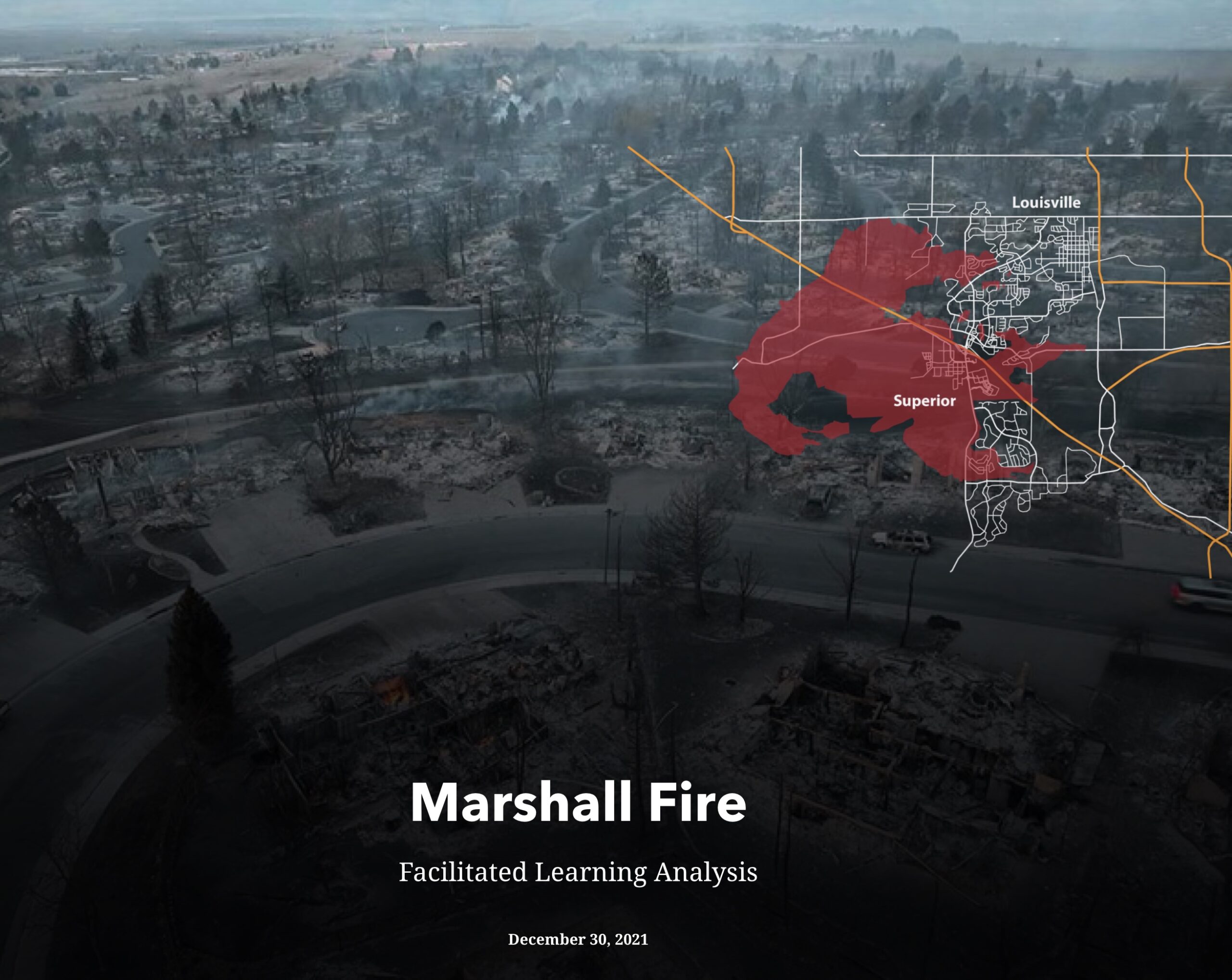
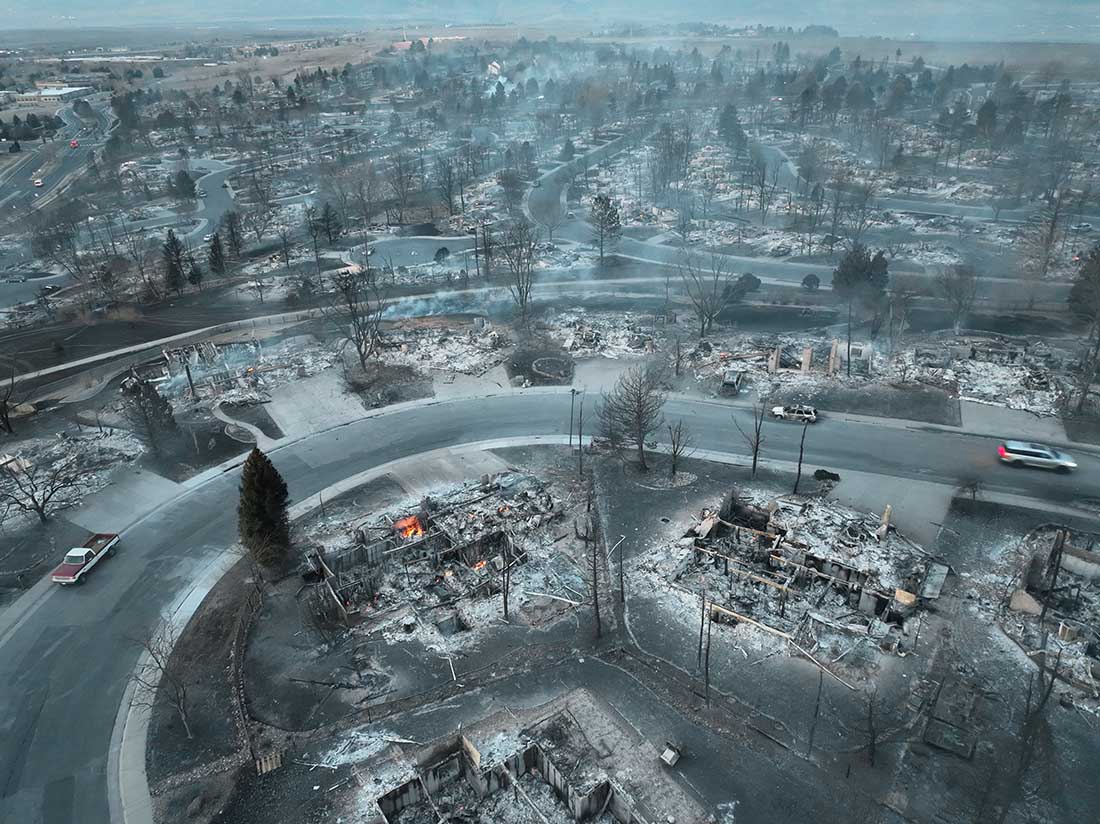
On the morning of December 30, 2021 the Marshal Fire ignited south of Boulder, Colorado. Pushed by winds gusting well over 40 mph, hurricane strength in some areas, it burned through subdivisions destroying 1,056 structures. By late the next day the winds had decreased and it was snowing on the 6,080-acre blaze.
At the request of the Colorado Division of Fire Prevention & Control a Facilitated Learning Analysis has been completed. The very lengthy and detailed document is in the Storymap format, which in this case includes many illustrations, photos, and maps.
Topics covered are weather, fuels, fire behavior, communication, ordering, evacuations, utilities, animal rescue, and hospital evacuation. It contains a wealth of information that could aid communities planning to prevent similar damage from inevitable wildfires, and manage them after they start.
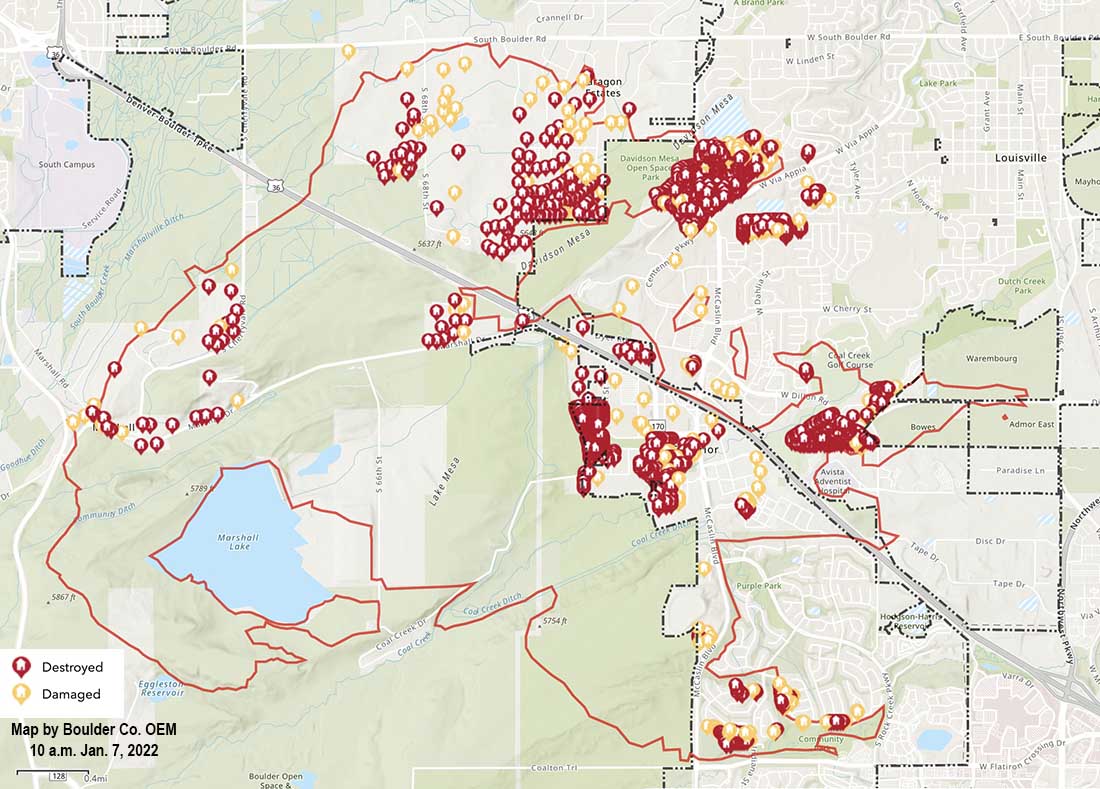
Map of structures damaged or destroyed during the Marshall Fire which started December 30, 2021 near Boulder, Colorado. Map accessed 10 a.m. MST January 7, 2021.
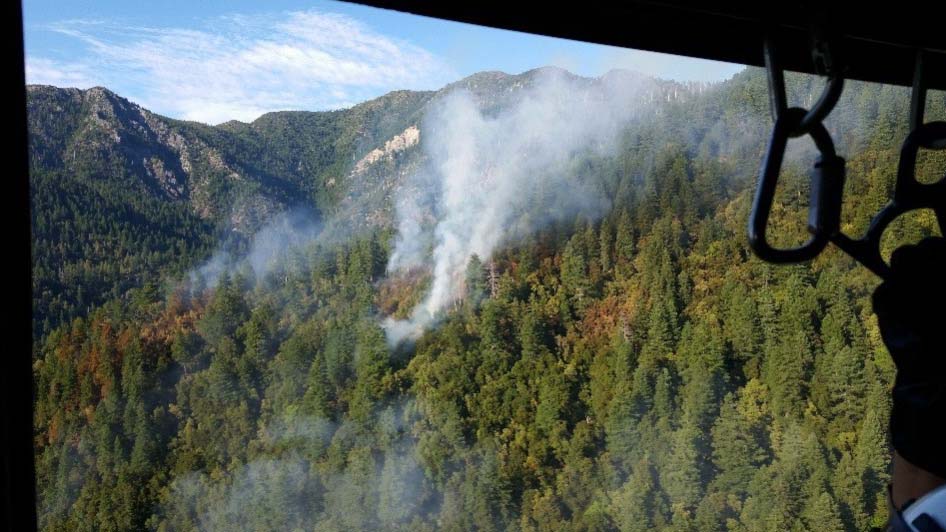
The Chetco Bar Fire on July 13, 2017 taken from a helicopter during the Type 3 Incident Commander’s first recon flight.
Two lawsuits have been filed in federal court for firing operations that burned private land during the Chetco Bar Fire that eventually burned more than 191,000 acres on land managed by the US Forest Service and private landowners in southwest Oregon.
The suit, under the Tucker Act for inverse condemnation, seeks compensation for “property taken” by the USFS in its use and management of the Chetco Bar Fire. It alleges that between August 17 and 20, 2017 the USFS conducted firing operations on their property “to achieve its natural resource management objectives, and to otherwise manage its lands”.
“USFS employed planned ignitions in the form of large-scale backfires designed to artificially grow the naturally occurring wildfire to sizes much larger than if it has been left to burn naturally,” say the twocomplaints filed October 21. “The large-scale planned ignitions on the Chetco Bar Fire ignored political and property boundaries and used Plaintiffs’ nonfederal resources as backfire fuel, imposing the costs of the natural resource management objectives upon Plaintiffs.”
The Chetco Bar Fire started from a lightning strike during a storm on June 24 and 25, 2017 and was first reported by an airline pilot 17 days later on July 12.
The attorney representing the landowners is Quentin Rhodes in Missoula, who is not your typical barrister. He worked as a wildland firefighter for eight seasons between 1987 and 1994, serving on the Helena Hotshot crew and later as a smokejumper at West Yellowstone and Missoula. He told Wildfire Today in 2012 that he was in the first planeload of jumpers on the South Canyon Fire in Colorado in 1994, the fatal fire on which 14 wildland firefighters were entrapped and killed. In 2012 he represented owners of a Montana ranch who won a $750,000 judgement against the state of Montana when firefighters on the Ryan Gulch Fire employed firing operations which burned 900 acres of the ranch’s land.
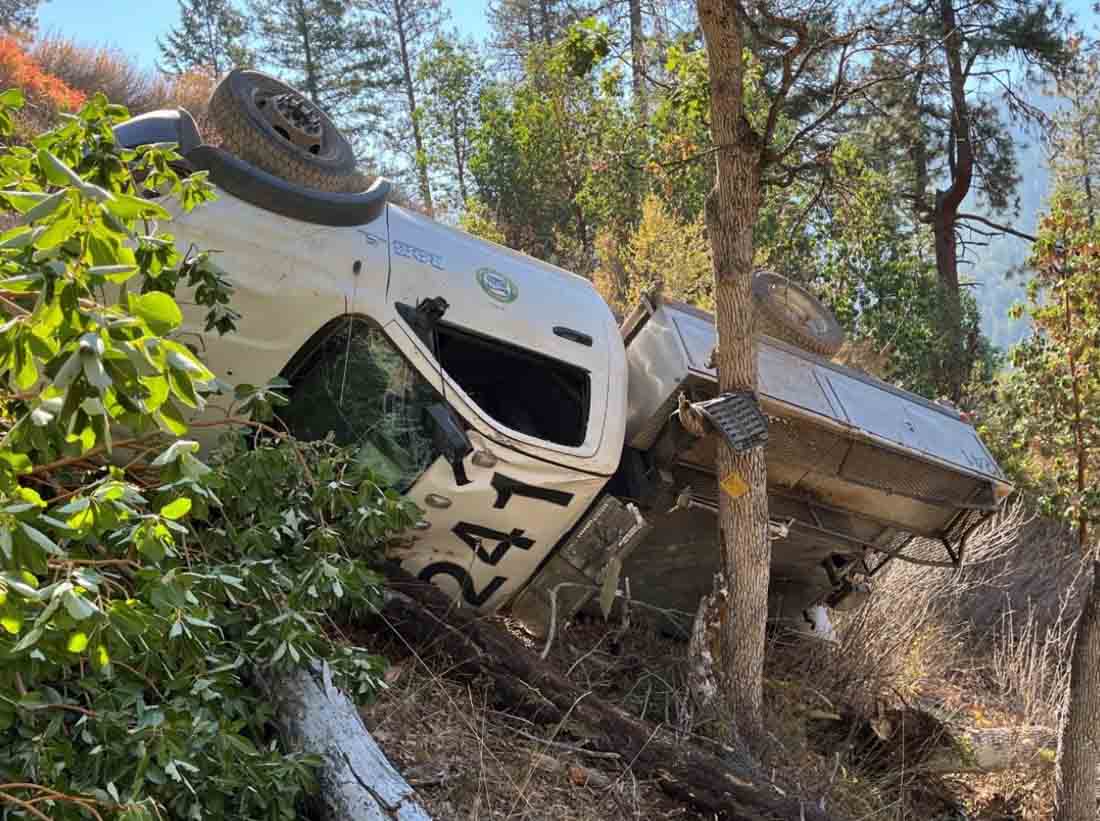
Engine rollover on Anderson Butte Fire. Photo from the Wildland Fire Lessons Learned Center report.
On October 2 one of three responding Type 6 engines rolled over while responding to the Anderson Butte Fire in Oregon. On the gravel road much dust was being kicked up compromising the visibility of the drivers. They were heading into the sun and the driver of the rollover engine said he was relying on the emergency lightbars of the engines ahead of him to find his way.
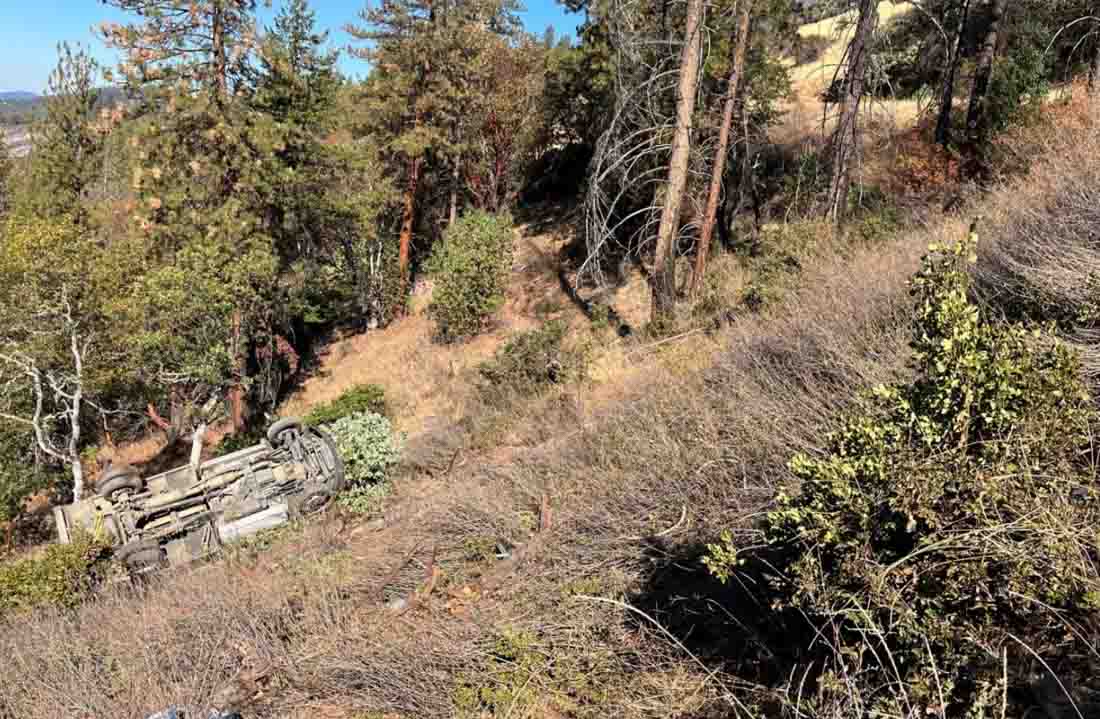
As he rounded a shaded corner, the sun hit the engine windshield and severely impacted his vision. He did not notice the curve in the road. Soon after, the Engine 241 driver—who was the vehicle’s sole occupant—noticed that the passenger side front tire was no longer contacting the ground. He attempted to steer back toward the road, but momentum caused the engine to tip. The engine then rolled more than two times before being stopped by a small grove of oak trees, finally coming to rest on the driver’s side, approximately 100 feet below the road.
The driver was able to climb out through the passenger window, walk up to the road, and radio for help.
Engine rollover on Anderson Butte Fire. Photo from the Wildland Fire Lessons Learned Center report.
The driver indicated that he basically just had a laceration on his leg. He initially requested to continue to the fire, but was held back for further evaluation. A local ambulance crew arrived around 30 minutes later. The driver was evaluated for head trauma and his lacerated leg was treated. The ambulance was released, the driver was instructed to return to his home unit, and was driven there by his supervisor.
The engine, which was totaled beyond repair, was retrieved by a wrecker the following day.
Two of the lessons pointed out in the report were:
Continuously evaluate conditions, as dust and sun angle make for less visibility, travel at slower speeds, and allow for more space in between yourself and the vehicle in front of you.
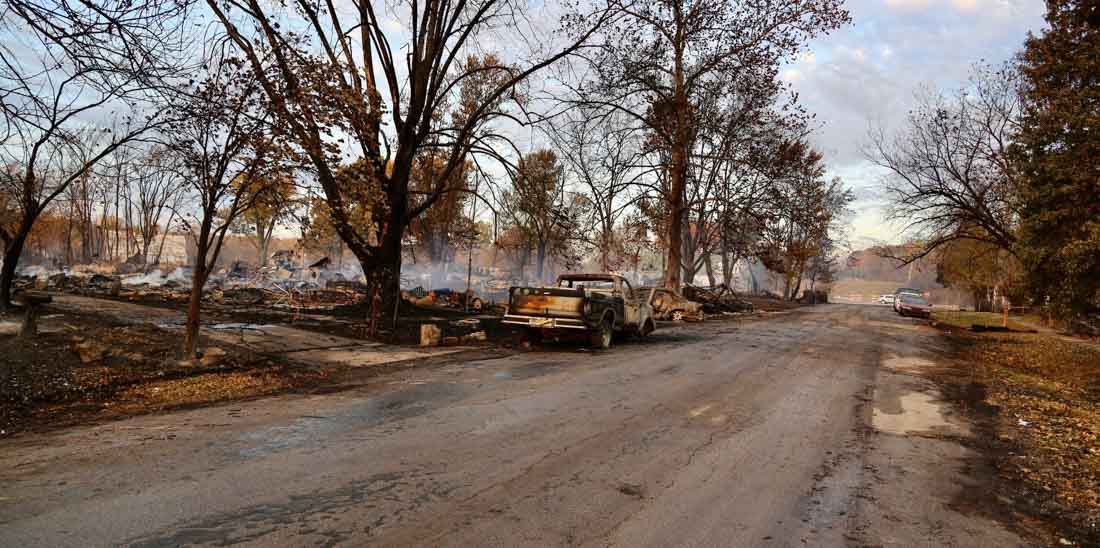
Wooldridge Fire, October 22, 2022. Photo by Cooper County Fire Protection District
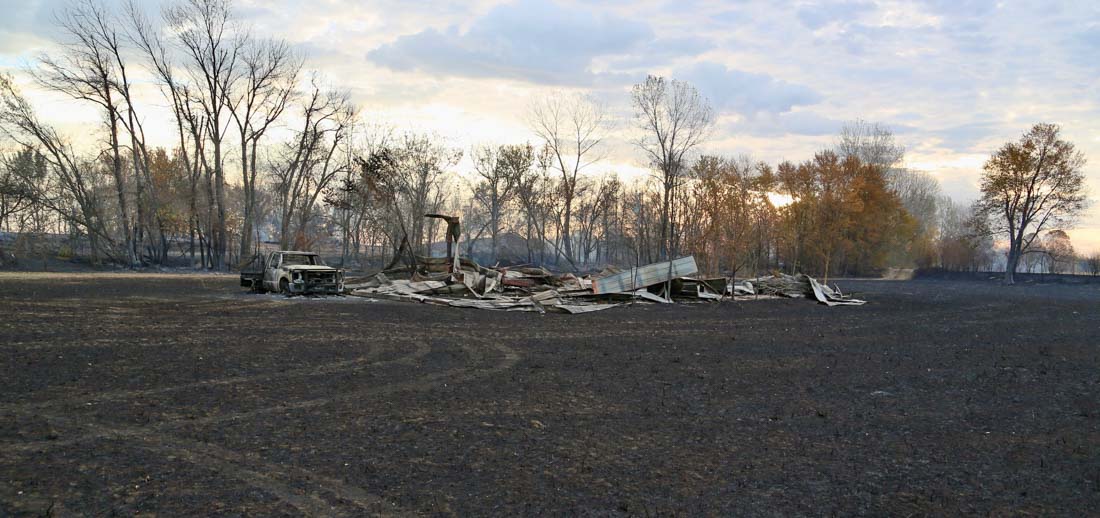
A wildfire burned about half of the small town of Wooldridge, Missouri Saturday. The fire started from a combine that was harvesting crops and spread into the town pushed by 25 to 35 mph winds with low relative humidity.
Authorities said 23 structures were destroyed or heavily damaged. No one was killed and one person was taken to a hospital for non-life-threatening injuries, but the entire town of 100 people had to be evacuated.
Wooldridge Fire, October 22, 2022. Photo by Cooper County Fire Protection District
Friday afternoon a fire that started in an outbuilding near Buckner, Missouri had spread to several acres when a brush truck operated by the Fort Osage Fire Protection District became surrounded by heavy smoke.
The crew left the truck and attempted to escape from the area, announcing “May Day” on the radio. Other crews immediately came to their aid but two of the personnel on the brush truck were injured, and the truck was destroyed.
One of the firefighters was released from the hospital Friday night and the other remains in serious condition.
The fire ultimately grew to 15 acres and destroyed several small outbuildings before being brought under control at 4:05 p.m. Friday. Multiple homes were endangered but were saved by firefighters.