Air tanker 169, an RJ-85, at Sierra Vista Municipal Airport while working the Contreras Fire, June 16, 2022. Photo by Ned Harris.
These photos of aircraft that were working on the Contreras Fire were taken by Ned Harris June 16, 2022 at the Sierra Vista Municipal Airport, a joint-use civil-military airport which shares facilities with Libby Army Airfield on Fort Huachuca in Southern Arizona.
We posted more of Ned’s photos yesterday, June 24, 2022. Thank you Ned!
Air tanker 131, a C-130, at Sierra Vista Municipal Airport while working the Contreras Fire, June 16, 2022. Photo by Ned Harris. Tankers 105 & 107, MD-87s, at Sierra Vista Municipal Airport while working the Contreras Fire, June 16, 2022. Photo by Ned Harris.
Federal fire aircraft on contract, 2021. Where there is no CWN entry, there ARE some on contract, but the number that could be activated is not clear.
The five federal land management agencies have 201 aircraft on exclusive use contract this year for assisting wildland firefighters, according to the information we received from spokespersons for the agencies.
In 2016 the FS hired 34 Type 1 helicopters on EU contracts but starting in 2017 reduced the number to 28. The fleet remained at that level until the COVID-19 pandemic hit in 2020 when they added an additional 22 ships for a total of 50. The agency felt the “surge” helicopters were necessary to mitigate a possible decrease in the effectiveness or numbers of their ground forces — engines and hand crews. In addition, the federal land management agencies said last year they were going to limit the number of less-than-full-suppression fires and attack new ignitions aggressively.
This year there will be 20 Type 1 helicopters on surge contracts, for a total of 48. These are the largest-capacity helicopters used for firefighting, capable of carrying 700 to 3,000 gallons of water.
Over the last 10 years the average number of large multi-engine air tankers (LAT) on exclusive use (EU) US Forest Service contracts was 14.0 for the United States. The average number on EU contracts from 2000 through 2009 was 28.3. This year there are 18, which is 5 more than last year.
Tanker 131 drops on the Cloud Fire in Southern California June 12, 2021. USFS photo.
Due to the pandemic last year the FS gave about seven companies hybrid surge Call When Needed (CWN) LAT contracts that were basically EU, but for 90 days, rather than the typical 160-day EU Mandatory Availability Period. The rates they negotiated were generally less than the typically high CWN rates. For a while they also activated four additional LATs on a true CWN basis, with no guarantee of days worked.
This year there are 18 LATs on EU contracts and 8 more could come on later on surge contracts, with an additional 8 possible, the FS says, on CWN contracts.
Number of USFS Large Air Tankers on Exclusive Use contracts.
As of June 9 there were 17 LATs actively working on EU contracts, one scheduled to begin its EU contract on June 20, and one CWN that was activated June 9.
All of the LATs and Very Large Air Tankers on EU contracts can hold up to 3,000 gallons of retardant, except for Coulson’s C-130 (4,000) and the 10 Tanker DC-10 Very Large Air Tanker (9,400).
In addition to the LATs and Type 1 helicopters, this year the additional aircraft on EU contracts among all the Federal wildland firefighting agencies include:
43 Type 2 helicopters (smaller than Type 1 helicopters)
41 Single Engine Air Tankers
0 Multi-engine scooping air tankers
26 Air Tactical fixed wing
27 Aerial Supervision fixed wing
14 Smokejumper fixed wing
2 Infrared mapping fixed wing
1 Large passenger aircraft (typically a 737)
The Federal government also has the ability to activate up to eight military C-130 aircraft equipped with 3,000-gallon Modular FireFighting Systems (MAFFS) if additional LATs are needed. The Governors of the four states in which they are based may also activate the two within their state.
Air Tanker 131, a C-130Q (N130FF) on the Karen Fire in San Bernardino County, CA July 26, 2020. Photo credit: CAL FIRE Riverside Co FD.
Firefighters battling the Karen Fire near Fontana in southern California July 26 got some excellent photos of air tanker 131 (N-130FF). CAL FIRE and local fire departments made quick work of the blaze that burned 277 acres, mostly in San Bernardino County.
Air Tanker 131, a C-130Q (N130FF) on the Karen Fire in San Bernardino County, CA July 26, 2020. Photo credit: CAL FIRE Riverside Co FD. Air Tanker 131, a C-130Q (N130FF) on the Karen Fire in San Bernardino County, CA July 26, 2020. Photo credit: CAL FIRE Riverside Co FD.
The photo at the top of the article reminds me of the opening scene in the Steven Speilberg movie “Always”.
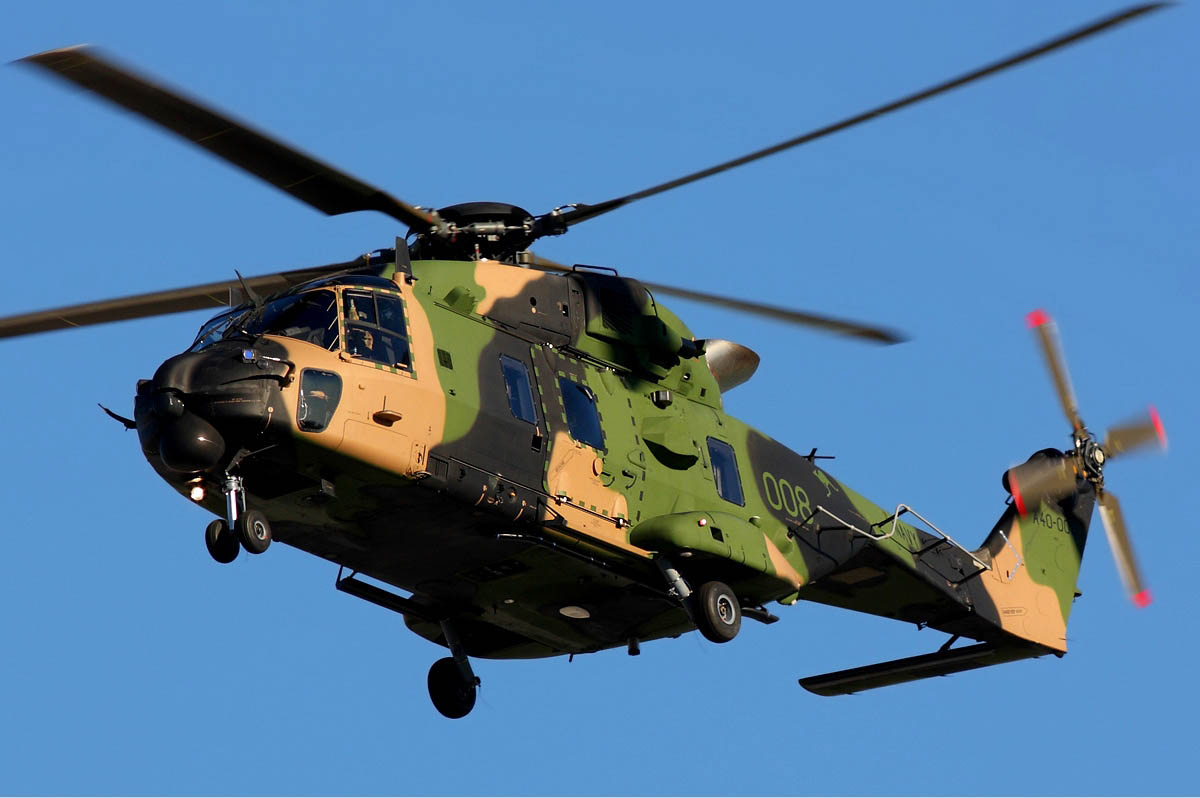
Several bushfires in the Australian Capital Territory (ACT) have kept firefighters busy in recent days. The Department of Defense admitted that one of the fires two weeks ago was caused by heat from a landing light on an MRH-90 Helicopter. It burned within a kilometer of Tharwa, a suburb south of Canberra.
From the Australian Broadcasting Corporation:
“The fire started during routine aerial reconnaissance and ground clearance work being conducted in the area in support of our local firefighters and authorities,” Emergency Services Minister Mick Gentleman said on behalf of the Department of Defense.
Lieutenant General Greg Bilton said the helicopter was using the lights to help it land in smoky conditions, but the heat set a fire that grew rapidly and damaged the aircraft. He said defense was investigating the issue but operating procedures would be changed so that the landing lights were not used in extreme conditions.
It is reportedly the first time a fire has been started by a helicopter landing light.
Smoke from another fire in the ACT that shut down the Canberra Airport for a while was caused by beekeepers checking hives. The fire started January 22 and for several hours threatened homes and businesses.
From the ABC:
The Beard fire jumped the Molonglo River on Thursday and came close to the suburbs of Beard, Harman and Oaks Estate. It also merged with a second fire on Kallaroo Road, which began in the same suburb of Pialligo earlier in the day.
The combined fire reached 424 hectares in size and was at emergency alert level for much of the afternoon, but by 9:00pm was down to 379 hectares.
The hives are part of a national honey bee surveillance program that regularly checks for the arrival of exotic pests that might threaten Australia’s bee population.That process uses smokers to calm the bees so the hives can be inspected, which requires lighting fuels to generate the smoke. The hives are maintained on behalf of the ACT Government by Canberra Region Beekeepers — the program is usually run through state agriculture departments in other jurisdictions.
Air tankers based in Richmond, New South Wales have been busy recently. Between January 26 and 31 a DC-10, Tanker 911, flew 22 missions, while T-137, a 737, flew 12. Their destinations were in or near the ACT and in southern NSW.
Tanker 131, a C-130Q based in Avalon, Victoria completed several missions north of Melbourne and along the Victoria/NSW border.